
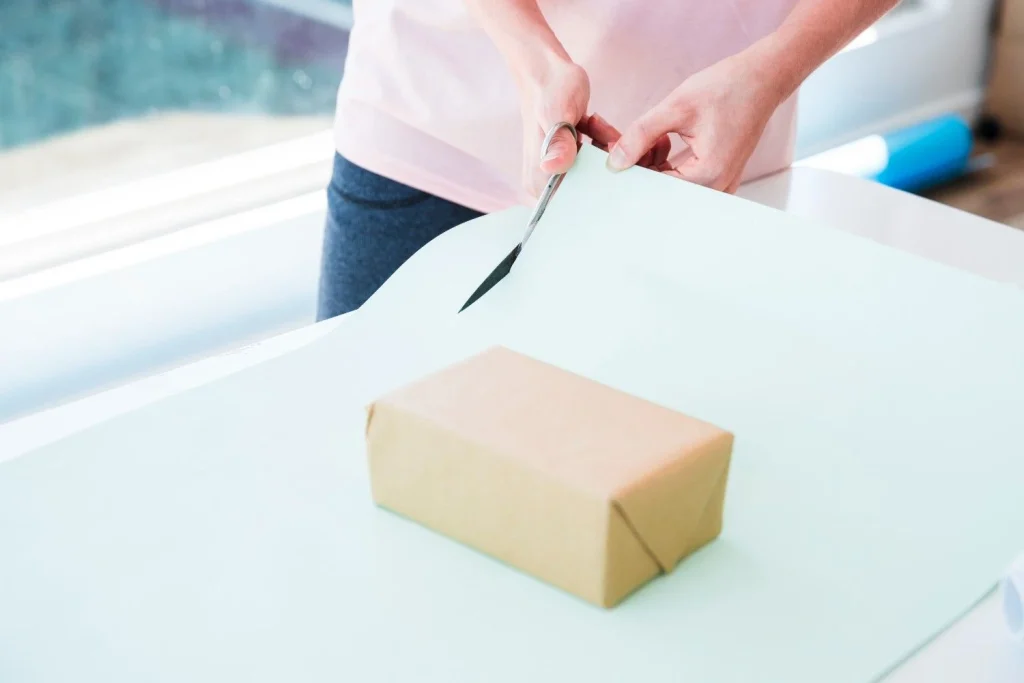
In today’s competitive beauty and personal care market, soap packaging plays a major role in how customers perceive your brand. Even if your soap is of top quality, packaging mistakes can hurt your sales, brand image, and customer trust.
Whether you’re a small handmade soap brand or running a full-scale soap business in the USA, understanding and avoiding these common soap packaging mistakes can help you build a strong presence in the market.
In this guide, we’ll cover the most common soap packaging mistakes, why they happen, and exactly how to fix them — so your products stand out both online and on the shelf.
1. Ignoring Brand Consistency in Packaging
One of the most overlooked mistakes is inconsistent branding. When packaging doesn’t align with your logo, color palette, or brand message, customers get confused and may not recognize your product easily. This breaks trust and weakens your visual identity.
For example: Using different fonts or packaging styles across products makes your soap line look unprofessional. It creates the impression that you’re running multiple unconnected product lines rather than one strong brand.
👉 Consistent branding builds recognition over time — even if customers don’t remember the name, they remember the “look.” Think of iconic brands; their packaging speaks for itself. Treat every box as part of a bigger visual identity.
✅ How to fix it:
- Use a consistent color scheme and typography.
- Incorporate your logo and taglines clearly.
- Make sure every packaging design reflects your brand’s personality.
This consistency not only strengthens brand recall but also creates a professional look that builds trust with your customers.
2. Choosing Low-Quality Materials
Your soap packaging is the first physical touchpoint for the customer. Using cheap or flimsy materials gives a poor impression of the product inside. Thin paper, easily torn wrapping, or boxes that get damaged in transit can make your soaps look low-value.
Using thin paper or cheap wrapping not only affects aesthetics but also compromises product safety. Soaps can sweat or get scratched if the material is weak, and boxes may collapse during transport.
👉 Remember, packaging is part of the customer experience. When customers receive a crushed box, they subconsciously associate that with the brand’s quality. Durable materials communicate care, even before they try the soap.
✅ How to fix it:
- Invest in durable and eco-friendly materials.
- Choose water-resistant wrapping to protect soaps from moisture.
- Opt for sturdy boxes that hold their shape during shipping and handling.
💡 Pro Tip: High-quality custom soap boxes can make even a simple bar of soap look luxurious.
3.Overcomplicated Designs That Confuse Buyers
A common packaging mistake is trying to fit too much into the design — too many fonts, loud colors, unnecessary patterns, or excessive text.
Too many colors, text blocks, or patterns make it difficult for buyers to understand the core message. Instead of feeling attracted, they feel overwhelmed and may skip your product entirely.
👉 Clean, structured layouts help highlight your main value proposition — whether it’s organic ingredients, handmade quality, or luxury appeal. White space is not “empty”; it’s a tool that directs focus and improves legibility.
✅ How to fix it:
- Follow a “less is more” approach.
- Use clear, readable fonts.
- Highlight your brand name, soap type, and one or two unique selling points.
Simple, clean packaging often feels more premium and trustworthy.
4. Lack of Product Information
Packaging is not just about looks — it should inform and build trust. Many brands forget to include important details like ingredients, weight, usage instructions, or certifications.
When customers don’t see ingredient lists, manufacturing details, or certifications, they feel uncertain about what they’re buying. In markets like the USA, this can also affect legal compliance.
👉 Transparency on packaging builds credibility and trust. It also gives eco-conscious or sensitive-skin customers confidence in your product. Even small brands can stand out by simply being open and clear about what’s inside.
✅ How to fix it:
- Clearly list ingredients and their benefits.
- Add manufacturing or expiry dates.
- Include cruelty-free, organic, or sustainability labels if applicable.
Providing transparent details shows professionalism and builds credibility.
5. Wrong Size or Poor Fit of Packaging
Packaging that doesn’t fit the soap properly is another frequent error. Oversized boxes waste material and increase shipping costs, while tight packaging can damage the soap’s shape.
A box that’s too large wastes money and looks awkward; one that’s too tight can damage the soap or cause the packaging to tear. Both issues affect perceived value and practicality.
👉 Always design packaging around your product dimensions, not the other way around. A well-fitted box also helps your soaps stack neatly on shelves, look uniform in shipping boxes, and reduce damage during handling.
✅ How to fix it:
- Measure each soap bar accurately before designing the packaging.
- Create snug-fit packaging that protects the soap while keeping costs low.
- Consider different box styles depending on product size (e.g., sleeve boxes, tuck-end boxes).
6. Ignoring the Unboxing Experience
Modern buyers, especially in the USA, love a memorable unboxing experience. If your packaging is dull or difficult to open, you might lose repeat customers.
Unboxing has become a powerful marketing tool. If customers enjoy the moment of opening your product, they are more likely to share it on social media or recommend it to friends.
👉 Add small, memorable touches like inner prints, branded tissue wraps, or a thank-you note. This doesn’t have to be expensive — even minimal personalization can make a big difference in perceived value and customer loyalty.
✅ How to fix it:
- Add unique touches like inserts, thank-you cards, or custom prints inside the box.
- Make opening easy and enjoyable.
- Consider eco-friendly wrapping that still looks premium.
Using Soap boxes Wholesale can elevate the unboxing moment and encourage customers to share your packaging on social media — giving you free organic promotion.
7. Not Protecting Against Moisture & Damage
Soap is sensitive to humidity, temperature, and physical pressure. One of the most damaging mistakes is not using protective packaging.
Poor packaging can lead to sweating, deformation, or even mold if exposed to humidity. This is especially problematic for online sellers shipping to different climates.
👉 Adding a thin moisture barrier, shrink wrap, or liner inside the box can extend shelf life and ensure soaps reach customers in perfect condition. Small packaging tweaks can save a lot of product loss.
✅ How to fix it:
- Use moisture-resistant wrapping materials.
- Add inner liners or wraps for extra protection.
- Choose box styles that keep the soap secure during transport.
8. Neglecting Sustainability
Today’s consumers value eco-friendly packaging more than ever. Brands that use non-recyclable plastics or excessive non-biodegradable materials risk alienating a large portion of environmentally conscious buyers.
Modern buyers expect eco-conscious packaging. Non-recyclable plastics or glossy laminations that can’t be reused leave a negative impression, no matter how attractive they look.
👉 Switching to eco-friendly packaging is not just good for the environment — it can also differentiate your brand. Many customers actively choose brands that align with their values, which leads to stronger loyalty and word-of-mouth growth.
✅ How to fix it:
- Use biodegradable or recyclable materials.
- Print with eco-friendly inks.
- Highlight sustainability efforts on the packaging to build trust.
By making your packaging eco-conscious, you not only help the environment but also attract loyal, values-driven customers.
9. Poor Printing Quality
Even the best design looks cheap if the printing quality is low — faded colors, misaligned text, or smudges can damage your professional image.
Even the best design falls flat if the print is blurry, misaligned, or cheap-looking. Poor printing makes your brand appear careless and low-budget, which can drive away high-value customers.
👉 Always request physical print proofs before mass production. This step helps you catch color issues, alignment problems, or text clarity concerns early, saving both money and reputation in the long run.
✅ How to fix it:
- Partner with a reliable printing company.
- Use high-resolution artwork.
- Test print samples before final production.
Premium Custom Luxury Soap Packaging can instantly give your product a high-end appeal that sets it apart on shelves.
10. Overlooking Cost Efficiency
Many businesses either spend too much on unnecessary embellishments or cut corners to save money, both of which can hurt your profit margins and branding.
Going overboard with embellishments like metallic foils or custom inserts can shoot up costs unnecessarily. On the other hand, cutting corners too much can lead to poor presentation.
👉 The goal is to find a sweet spot between quality and budget. Partner with trusted packaging suppliers who offer wholesale rates. Smart material choices and bulk ordering can keep your margins healthy without sacrificing quality.
✅ How to fix it:
- Find a balance between cost and quality.
- Use bulk printing or wholesale custom box suppliers to reduce per-unit costs.
- Avoid design elements that don’t add real value.
11. Not Considering Retail & Shipping Requirements
Your soap packaging must meet retail display and shipping standards. Some brands design beautiful boxes but forget about barcode placement, stacking strength, or labeling regulations.
Many brands design beautiful boxes but forget about how they’ll perform in real-world scenarios like shipping or store display. Retailers often require barcodes, labels, or stacking-friendly designs — ignoring these can lead to rejections.
👉 Before finalizing your packaging, think about every stage of the product journey — from warehouse to customer’s hand. Well-planned packaging avoids delays, reduces damage claims, and keeps distributors happy.
✅ How to fix it:
- Leave space for barcodes, labels, or price tags.
- Design boxes that stack easily for retail displays.
- Follow FDA labeling requirements if selling in the USA.
This ensures smooth distribution and avoids costly reprints or compliance issues later.
12. Lack of Personalization & Brand Storytelling
Customers connect emotionally with brands that tell a story. Generic packaging without any brand story, message, or personalization often fails to create loyalty.
Generic packaging without personality often blends into the background. Customers are drawn to brands that tell a story or share a unique perspective.
👉 Add a short, authentic brand story or tagline that connects emotionally. Mention your origin, values, or mission briefly. Personalization turns ordinary packaging into a memorable brand touchpoint that customers remember long after the soap is used.
✅ How to fix it:
- Include a short brand story on the box.
- Use taglines or personalized notes that reflect your values.
- Add social media handles or QR codes to encourage engagement.
Final Thoughts
Avoiding these common soap packaging mistakes can drastically improve how your products are perceived. When you focus on quality materials, clear branding, eco-friendly design, and customer experience, you build a brand that stands the test of time.
Whether you’re using simple wraps or designing custom printed soap boxes, remember: packaging is your silent salesman. A well-thought-out design can convert a casual browser into a loyal customer.


