Selling homemade soap in the United States is no longer just about creating a quality product. Proper labeling is a legal requirement, a trust signal for buyers, and a key factor in how your brand is perceived. If you are making and selling homemade soap, understanding how to label it correctly is essential to avoid compliance issues and to present your product professionally in a competitive market.
This guide explains how to label homemade soap the right way, what information is required, what mistakes to avoid, and how packaging and labeling work together to build credibility.
Understanding What Counts as “Soap” Under U.S. Regulations
Before designing a label, it is important to understand how the product is classified in the United States. Not every product called “soap” is legally treated as soap.
If your homemade soap is made mainly from fats and oils combined with an alkali and is marketed only for cleansing, it is regulated as soap by the Consumer Product Safety Commission. However, if you make any cosmetic claims, such as moisturizing, exfoliating, whitening, or treating skin conditions, your product may fall under FDA cosmetic regulations.
This distinction directly affects labeling requirements, so defining your product correctly is the first step.
Essential Label Information for Homemade Soap
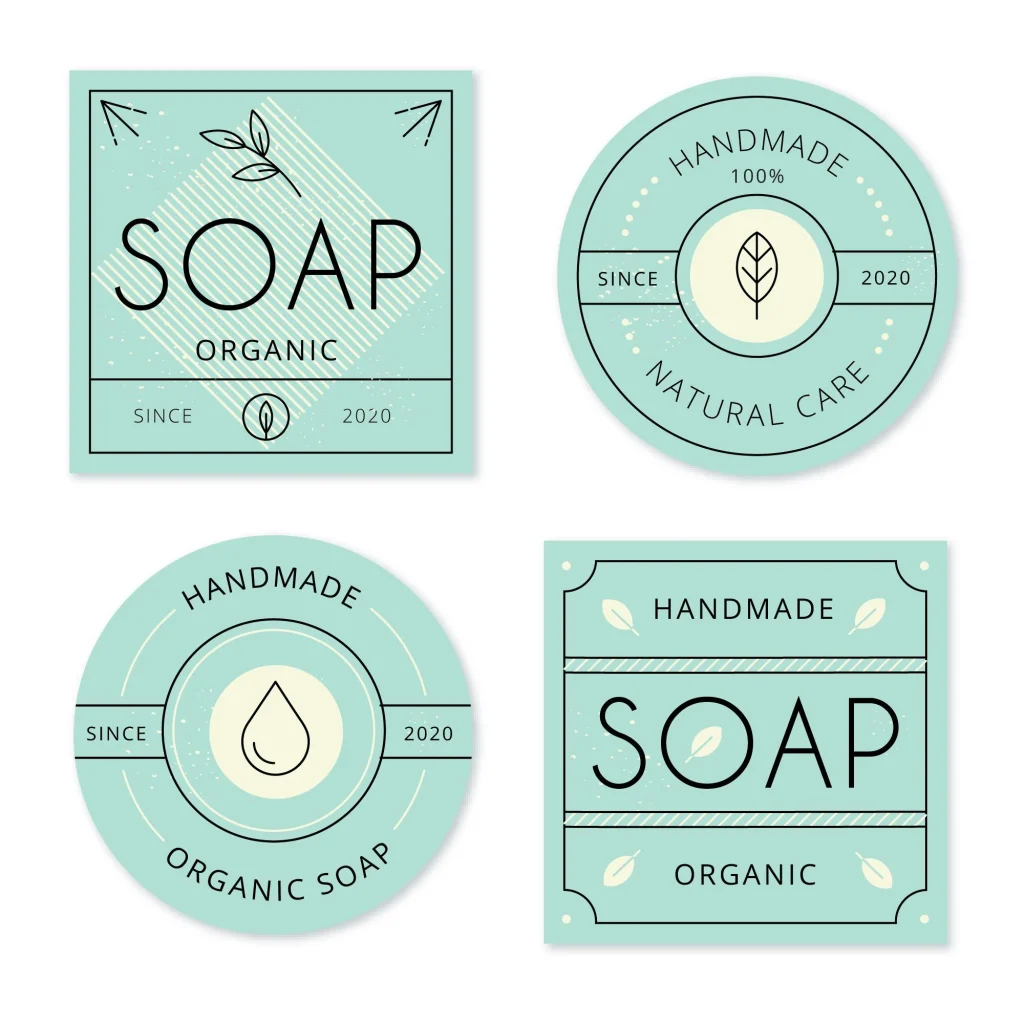
When labeling homemade soap for sale in the USA, certain information must be clear, accurate, and easy to read. Your label is not decoration alone; it is a compliance document.
The product identity should be clearly stated. This usually means using a simple and honest name such as “Handmade Soap” or “Homemade Soap Bar.” Avoid exaggerated or misleading product descriptions that could imply medical or cosmetic benefits unless you are prepared to meet additional regulatory requirements.
Net weight is another critical element. Soap labels must include the net weight of the product, typically expressed in ounces and grams. This measurement must reflect the weight at the time of sale, not immediately after production when moisture content may still be high.
The business name and location must also appear on the label. This includes the brand name and city, state, and ZIP code. A full street address is not required if your business is listed publicly elsewhere, but the information must allow consumers to identify and contact the seller
Ingredient Listing: Transparency Builds Trust
Even when not legally required for basic soap, listing ingredients is considered a best practice in the homemade soap industry. It builds consumer confidence and aligns with modern buyer expectations.
Ingredients should be listed in descending order of predominance by weight at the time of manufacture. Using proper ingredient naming conventions, such as standard cosmetic ingredient names, helps present your brand as professional and trustworthy.
For buyers with allergies or sensitive skin, a clear ingredient list is often a deciding factor. Transparent labeling reduces return issues and enhances long-term customer trust.
Avoiding Claims That Can Cause Legal Issues
One of the most common mistakes homemade soap sellers make is including claims that unintentionally reclassify the product.
Statements suggesting that your soap treats acne, eczema, inflammation, or other skin conditions can move your product into cosmetic or drug territory. This triggers stricter FDA oversight and labeling requirements that many small businesses are not prepared to meet.
Safe labeling focuses on what the product is, not what it cures. Descriptions related to scent, texture, or general cleansing use are far less risky and more compliant.
Label Design: Function Before Decoration
A well-designed label does more than look attractive. It must be readable, durable, and suitable for the environment in which the soap will be stored and used.
Homemade soap is often exposed to moisture, oils, and handling. Using quality label materials and finishes ensures that text does not smear or fade. Legibility is essential, especially for weight, ingredients, and business identification.
From an EEAT perspective, clean and professional label design signals that the brand understands industry standards and takes compliance seriously.
Packaging and Labeling Must Work Together
Labels do not exist in isolation. They work as part of the overall packaging system.
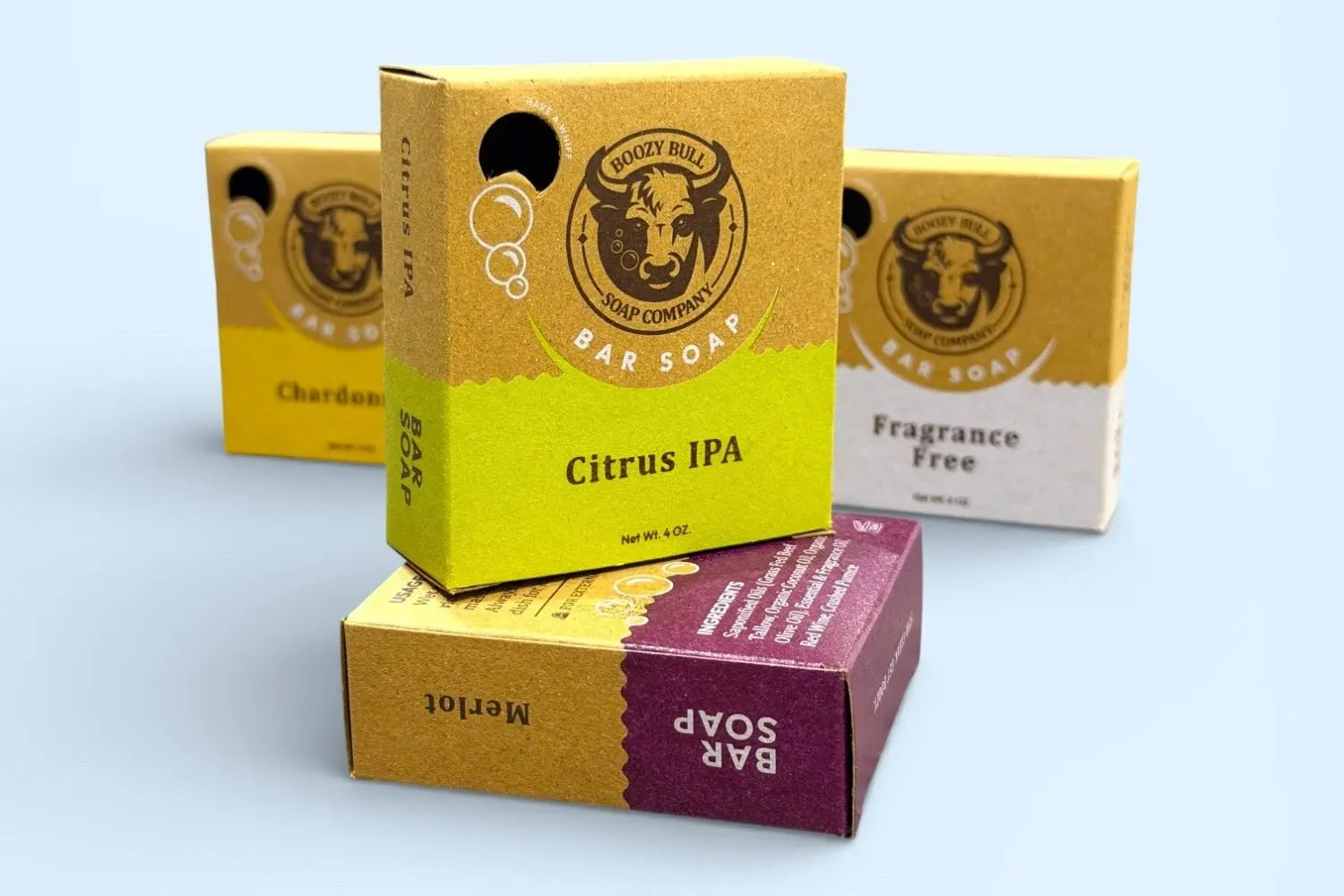
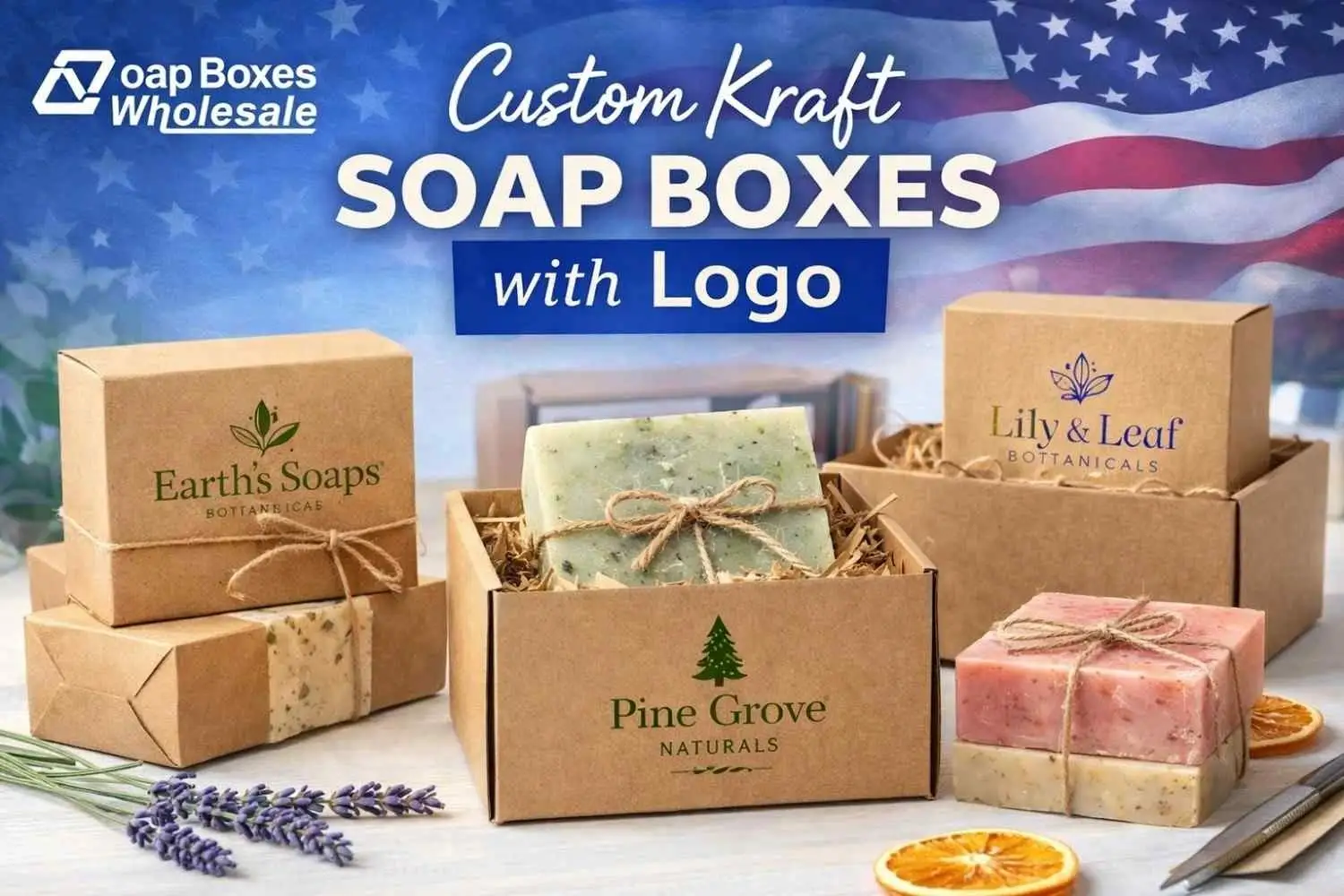
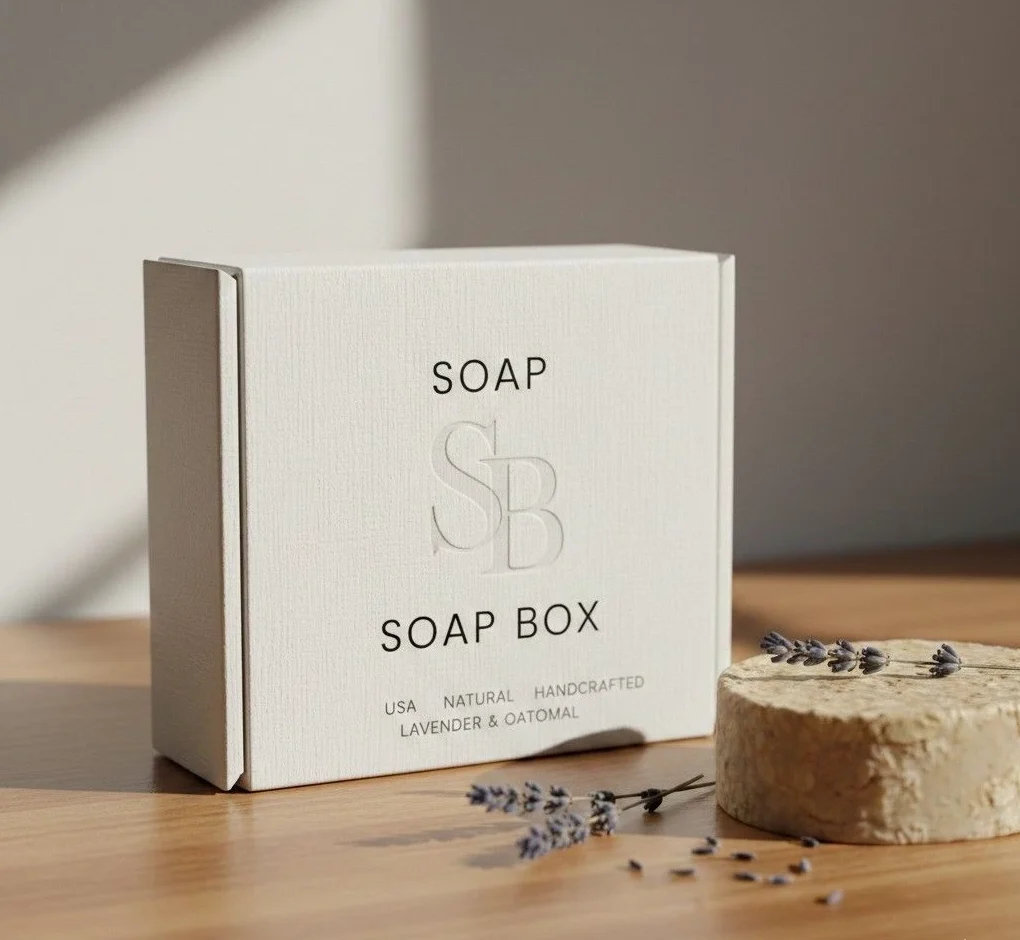
Custom soap boxes provide structure, protection, and additional space for branding and compliance information. When labeling is integrated into packaging design, the product appears more legitimate and retail-ready.
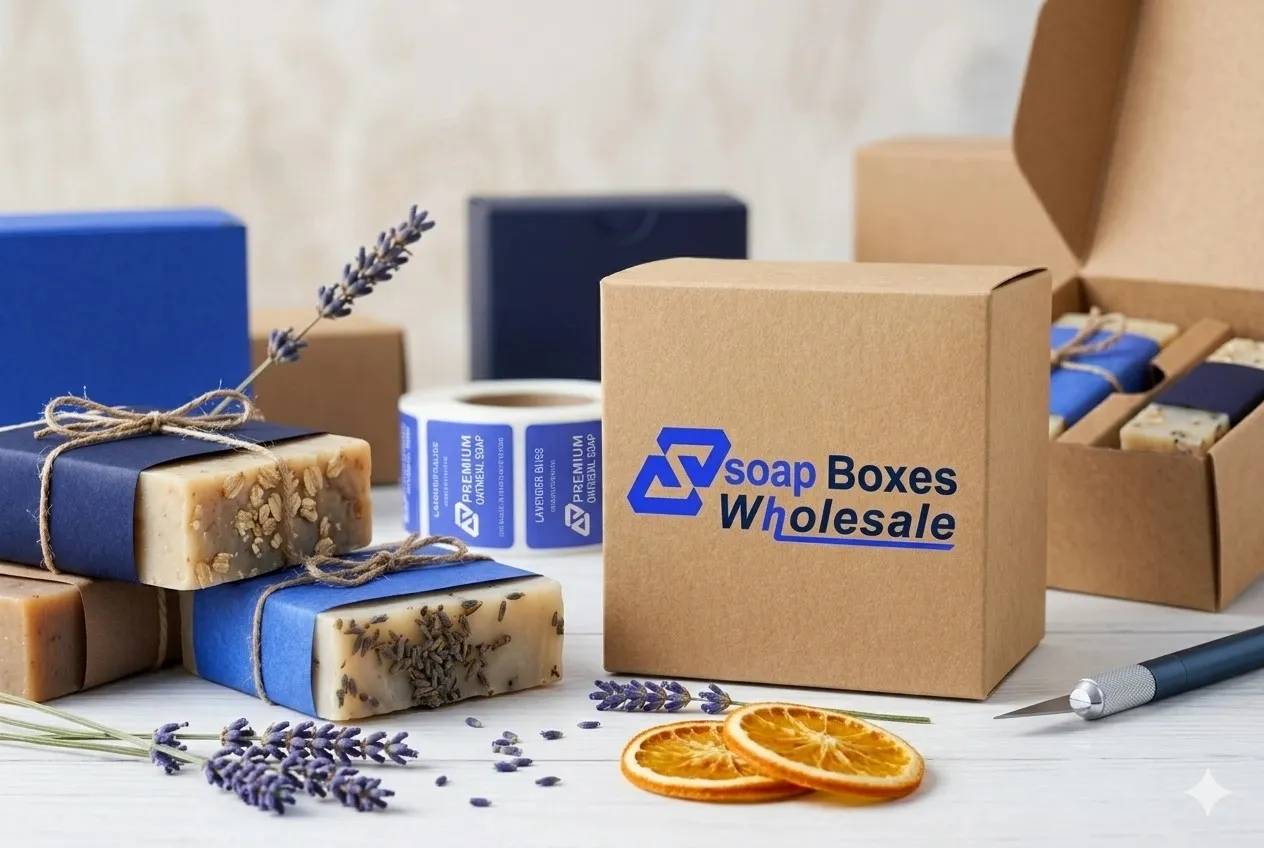
This is where businesses like Soap Boxes Wholesale play a role by offering packaging solutions that support both branding and regulatory needs. Packaging that accommodates proper labeling helps avoid cluttered designs and improves shelf appeal without sacrificing compliance.
Common Labeling Mistakes to Avoid
Many homemade soap businesses struggle with labeling because they prioritize creativity over clarity. Small fonts, missing weight information, vague product names, or incomplete business details can all create problems.
Another frequent issue is inconsistency. Labels should match the information on your website, product listings, and invoices. Consistency reinforces trust and reduces confusion for both consumers and search engines.
Why Proper Labeling Matters for Online and Retail Sales
If you plan to sell homemade soap online or through retail partners, labeling becomes even more important. Marketplaces and retailers often review product labels before approving listings.
Clear, compliant labels reduce friction during onboarding and increase the likelihood of acceptance by stores, boutiques, and eCommerce platforms. They also reduce the risk of complaints or product removals.
From an SEO and brand authority standpoint, proper labeling supports the perception that your business operates professionally within industry norms.
Building Long-Term Brand Trust Through Compliance
Labeling homemade soap correctly is not just about avoiding penalties. It is about building a brand that customers trust and return to.
When buyers see accurate information, transparent ingredients, and professional packaging, they associate your homemade soap with quality and reliability. Over time, this trust translates into repeat purchases, referrals, and stronger brand recognition in the U.S. market.
Final Thoughts
Labeling homemade soap in the USA requires a balance of compliance, clarity, and presentation. By focusing on accurate product identification, proper weight disclosure, transparent ingredients, and professional packaging, you position your brand for sustainable growth.
For businesses aiming to scale, combining compliant labeling with high-quality packaging from providers like Soap Boxes Wholesale helps bridge the gap between handmade authenticity and commercial credibility.
Getting labeling right from the beginning protects your business, strengthens customer trust, and supports long-term success in a competitive market.