Homemade soap has become increasingly popular across the United States as consumers look for natural, small-batch, and skin-friendly products. Whether you create soaps as a hobby or run a growing handmade brand, packaging plays a critical role in how customers perceive your product. The right packaging protects the soap, communicates your brand story, and helps your product stand out in retail stores or online marketplaces.
Many small businesses underestimate the importance of packaging in the early stages. However, professional packaging can influence purchasing decisions, protect delicate ingredients, and ensure the soap reaches customers in perfect condition.
This guide explains how to package homemade soap properly, covering materials, protection methods, branding strategies, and modern packaging trends in 2026. It will help soap makers choose solutions that are practical, attractive, and aligned with customer expectations.
Why Proper Soap Packaging Matters for Homemade Products
Packaging is more than a container. It serves multiple essential functions for handmade soap brands.
First, packaging protects the soap from dust, moisture, and external damage. Natural soaps often contain oils, herbs, or fragrances that can degrade if exposed to environmental conditions.
Second, packaging communicates your brand identity. Consumers buying handmade products often value authenticity and craftsmanship, so the packaging should reflect those qualities.
Third, it provides space for important product information such as ingredients, usage instructions, and safety guidelines. This information builds customer trust and helps meet regulatory expectations in the U.S. personal care market.
Finally, well-designed packaging improves product presentation. When soaps look professionally packaged, they appear more premium and appealing to buyers.
Understanding the Unique Challenges of Packaging Homemade Soap
Unlike mass-produced soap, handmade soap often contains natural ingredients that require special handling. Oils, essential fragrances, and botanical elements can make the soap more sensitive to humidity and temperature changes.
Some soap makers also cure their soap for several weeks, which means the packaging must allow the soap to breathe while maintaining protection. Packaging that traps too much moisture may affect texture and fragrance.
Another challenge is maintaining product freshness during shipping or retail display. Handmade soap can lose scent over time if packaging is not designed properly.
Because of these factors, choosing the right packaging method becomes essential for maintaining quality.
Choosing the Right Materials for Soap Packaging
Soap packaging materials vary widely depending on brand positioning, product type, and customer expectations. The most common materials used by soap makers include paperboard, kraft paper, corrugated materials, wrapping sheets, and labels.
Below is a comparison of common packaging materials used for handmade soap products.
| Packaging Material | Key Benefits | Ideal For |
| Paperboard Cartons | Durable, printable, professional appearance | Retail soap packaging |
| Kraft Paper | Eco-friendly, natural look | Organic soap brands |
| Corrugated Packaging | Strong protection during shipping | Online orders |
| Wax or Greaseproof Paper | Protects soap oils from leaking | Individual soap wrapping |
| Custom Labels | Adds branding and product details | Minimalist packaging styles |
Each material provides different advantages depending on how the soap will be sold or delivered.
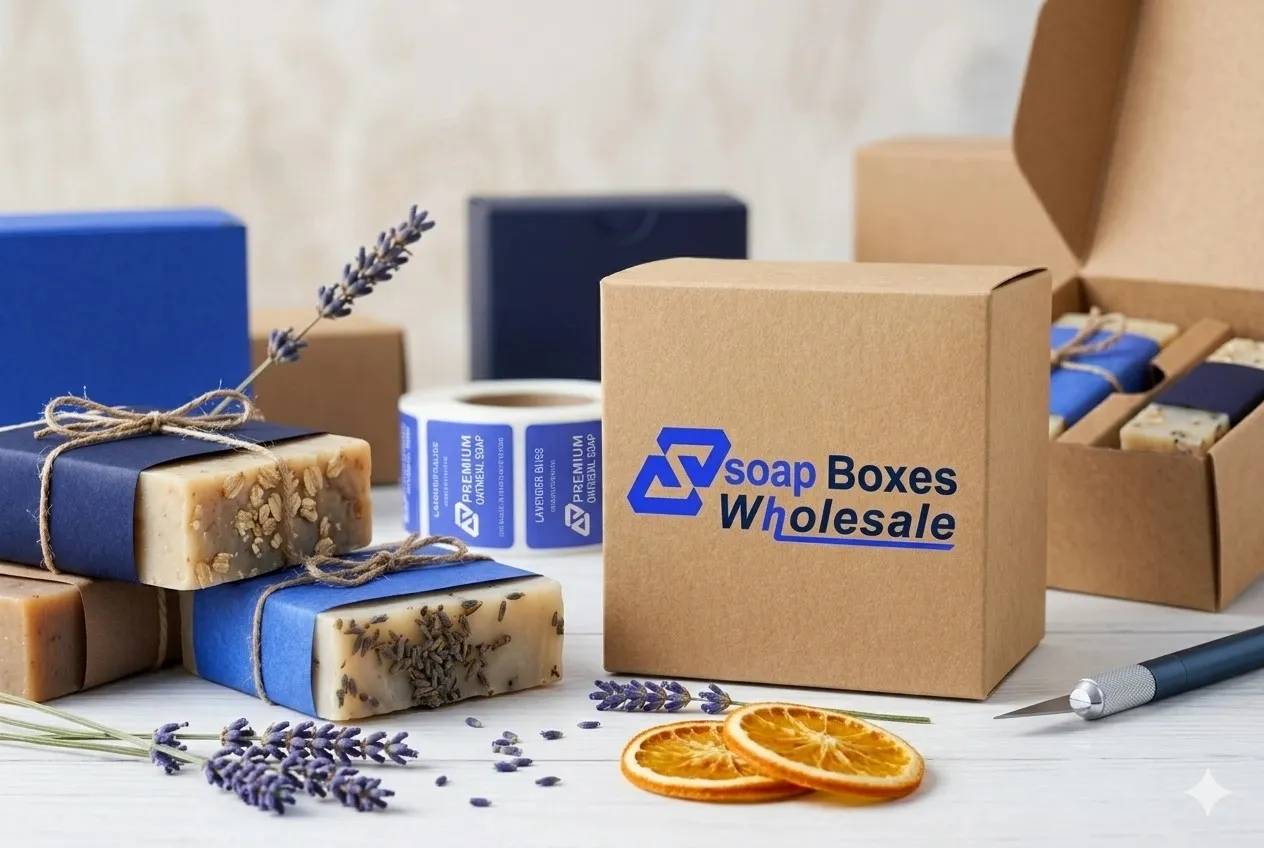
Many small businesses choose custom soap sleeves or printed packaging to maintain branding while keeping production costs manageable.
Packaging Methods Soap Makers Commonly Use
Different packaging styles work for different types of soap products. The goal is to balance protection, branding, and practicality.
Below are some commonly used packaging approaches in the handmade soap industry.
Paper Wrap Packaging
Many artisan soap brands wrap soaps using wax paper, greaseproof paper, or decorative wrapping sheets. This method allows the soap to breathe while protecting it from dust and oils.
Paper wrapping works particularly well for natural soap bars sold at craft markets or small boutique shops.
Box Packaging
Boxes provide better protection and allow for high-quality printing, branding, and labeling. Businesses that sell online or ship products frequently often prefer box packaging because it keeps soaps safe during transportation.
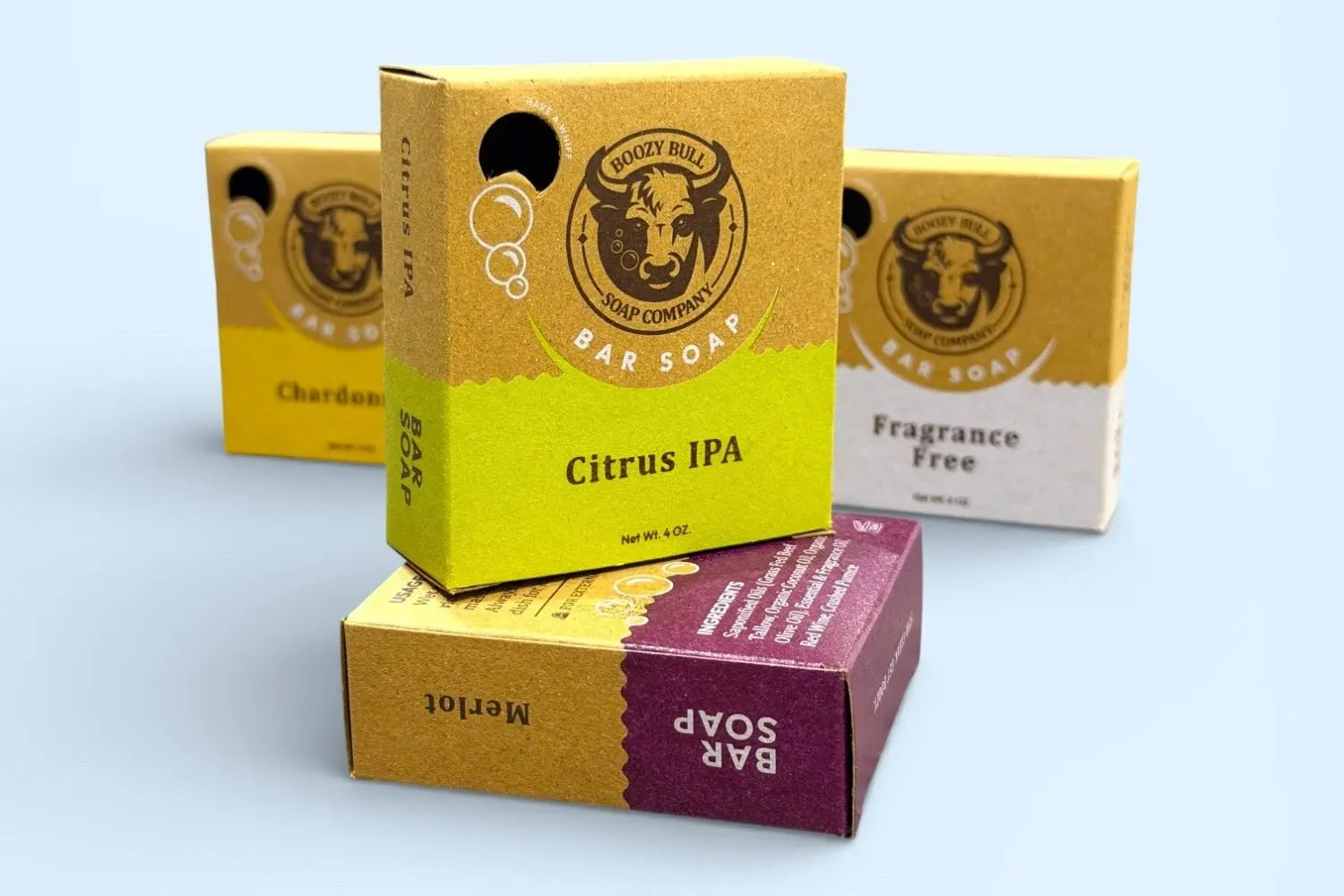
Some brands use handmade soap boxes to maintain a natural presentation while still protecting the product.
Sleeve Packaging
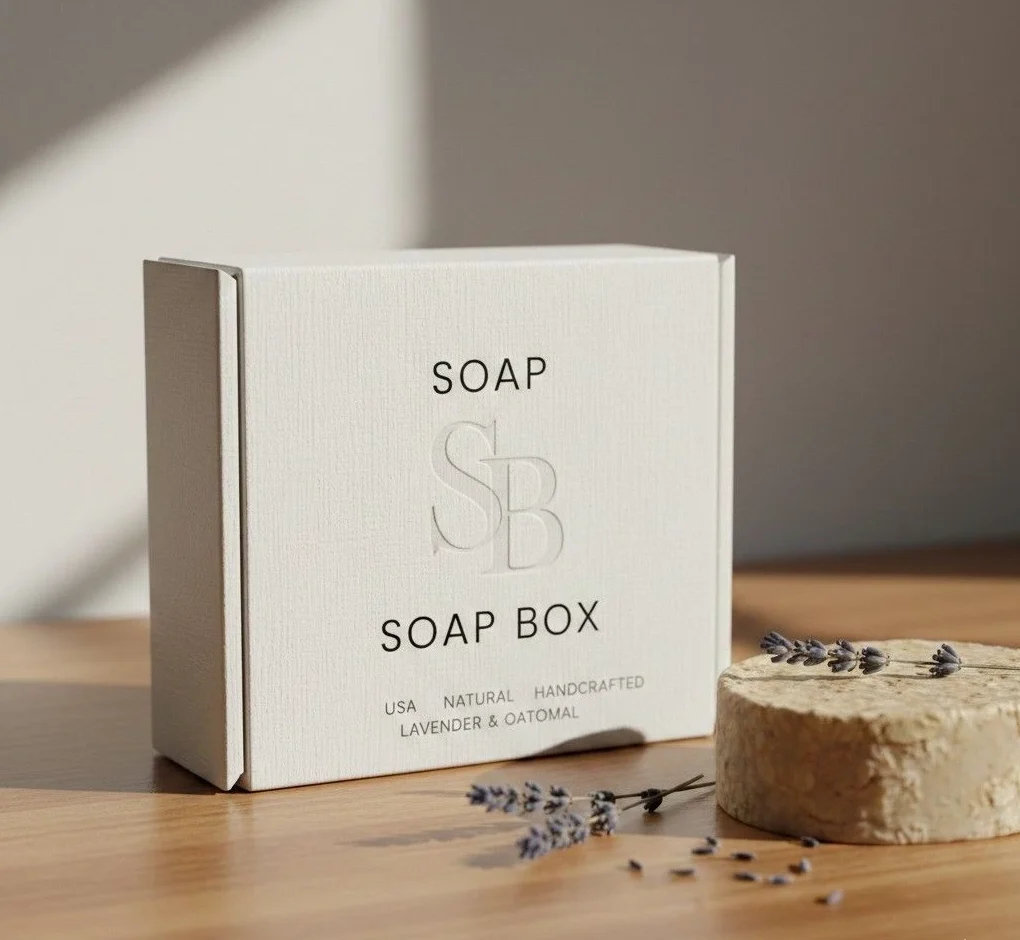
A sleeve is a cardboard band that slides around the soap bar. It leaves part of the soap visible while still allowing space for brand information.
This option is popular among minimalist brands that want the soap’s color and texture to remain visible.
Label-Only Packaging
Some soap makers choose simple wrapping combined with a branded label. This approach works well for artisan brands selling locally or through small markets.
However, it may not provide sufficient protection for long-distance shipping.
Key Elements Every Soap Package Should Include
Effective packaging does more than protect the product; it also communicates information that customers expect.
Important packaging elements include:
• Brand name and logo
• Product name or fragrance
• Ingredient list
• Net weight
• Usage instructions
• Manufacturer or business information
These details help build trust and ensure transparency with customers.
For businesses selling in stores, branded retail soap boxes also help customers quickly identify products and fragrances on shelves.
Sustainable Packaging Options for Handmade Soap
Sustainability continues to influence purchasing decisions in the personal care industry. Many customers prefer packaging that is recyclable or biodegradable.
Eco-friendly packaging materials have become widely available and are now easier for small businesses to adopt.
Some environmentally responsible options include:
- Recycled paperboard packaging
- Compostable wrapping paper
- Soy-based ink printing
- Minimalist label designs
- Plastic-free packaging structures
Using environmentally responsible materials not only reduces environmental impact but also strengthens brand credibility.
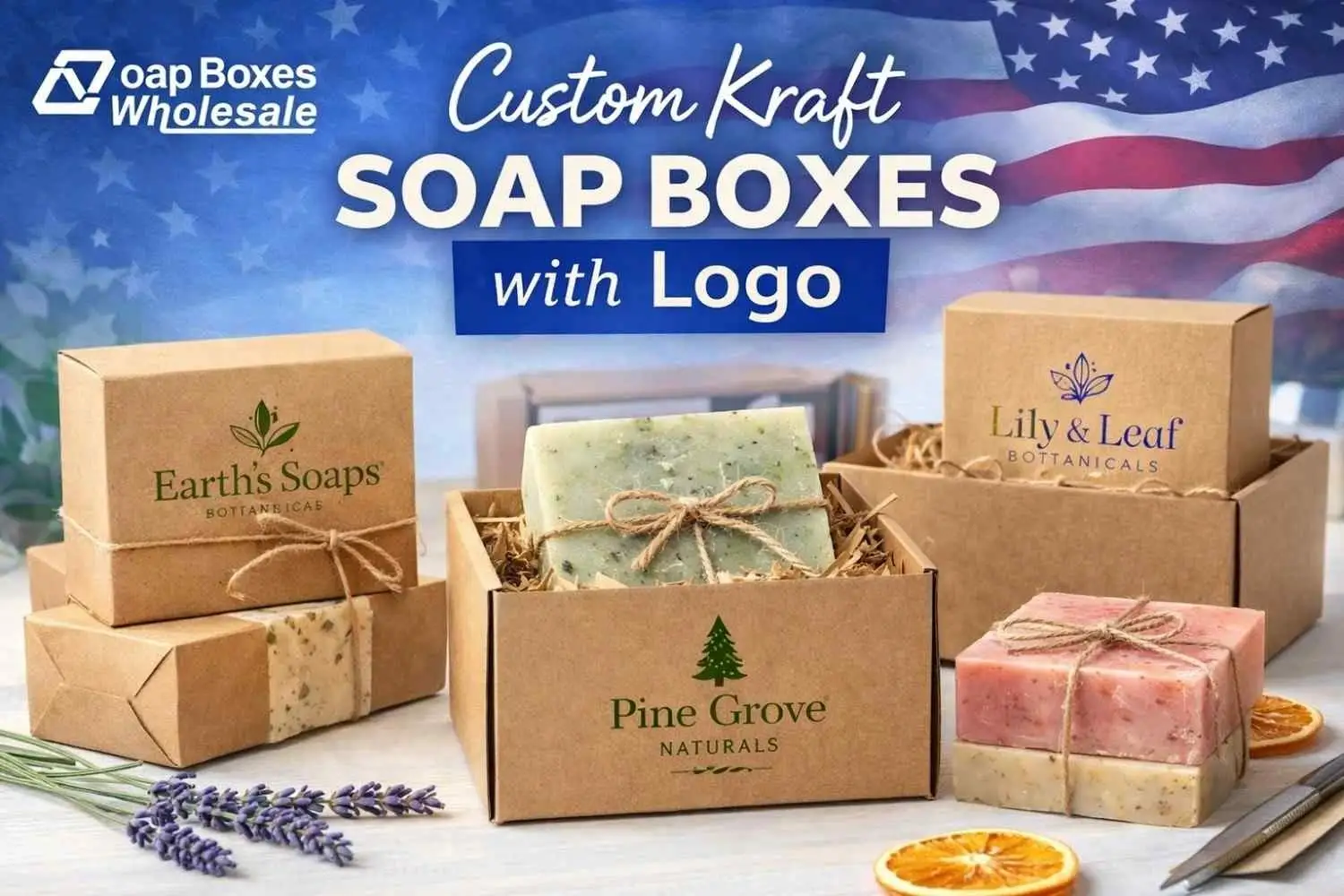
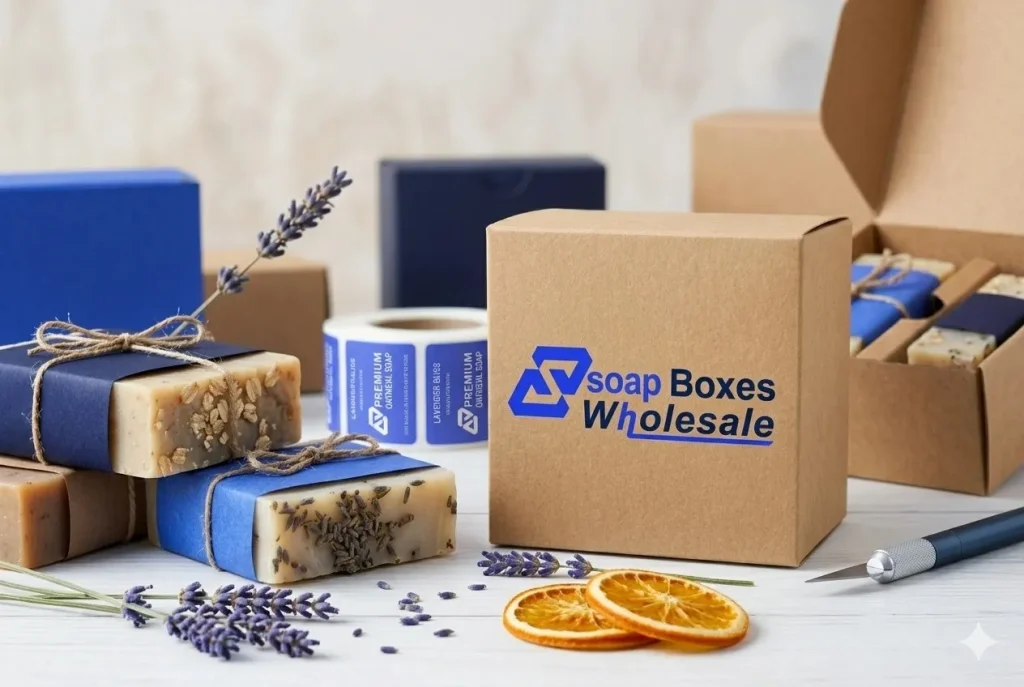
For example, many organic soap brands choose kraft soap boxes because they are recyclable and align well with natural product positioning.
Packaging Design That Attracts Customers
Packaging design plays a major role in attracting attention on store shelves or in online product photos. Handmade soap brands often rely on design elements that communicate authenticity and quality.
Important design factors include typography, color palettes, texture, and visual simplicity. Handmade soap packaging often features earthy colors, botanical illustrations, or minimalist layouts.
Packaging design should also reflect the soap’s ingredients or fragrance profile. For example, lavender soap may include purple tones or floral imagery, while charcoal soap packaging may feature darker colors and modern typography.
Design consistency across products also helps strengthen brand identity.
Many businesses enhance visual appeal by using custom printed soap boxes that showcase brand artwork and product information clearly.
Preparing Soap for Packaging After the Curing Process
Soap curing is an essential stage for many handmade soap products. During curing, excess moisture evaporates and the soap hardens, improving durability and longevity.
Packaging should only be applied after the curing process is complete. If soap is packaged too early, moisture may become trapped, affecting the texture and scent of the product.
Once curing is finished, the soap bars should be inspected for consistency, smooth edges, and proper shape. Many soap makers also trim the bars before packaging to ensure a professional appearance.
Proper preparation ensures that every packaged product meets quality expectations.
Packaging Homemade Soap for Shipping
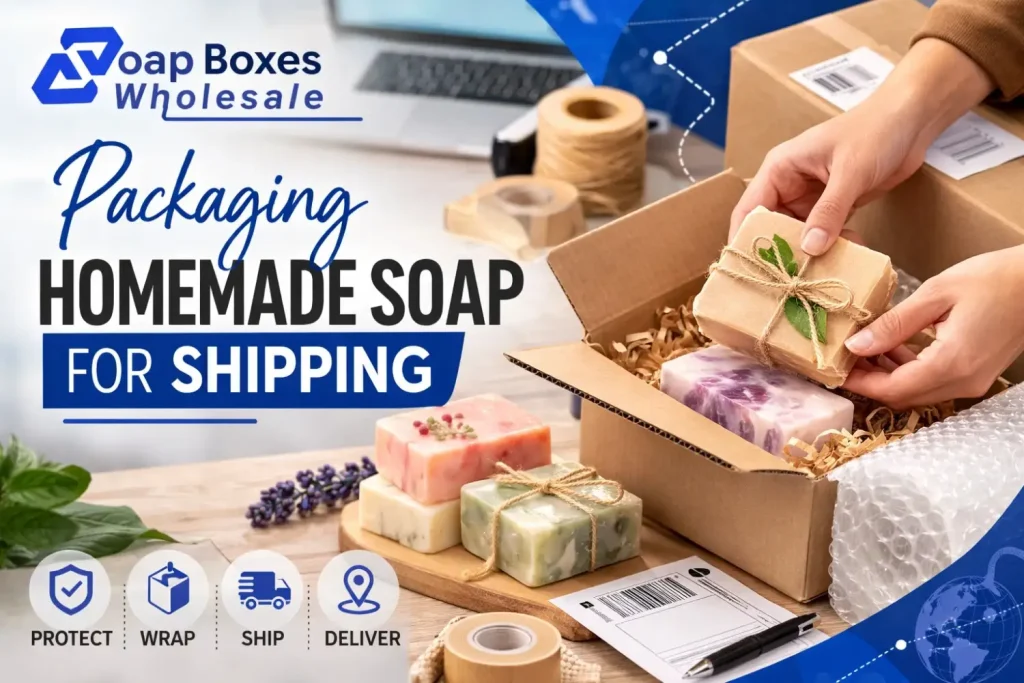
Shipping handmade soap requires additional protection because products may travel long distances before reaching customers.
Soap boxes used for shipping should prevent movement inside the package and protect the soap from pressure or impact.
Packing materials such as paper fillers or cardboard inserts can help stabilize the soap during transportation.
Businesses that sell through retail stores may also use display soap boxes to organize multiple soap bars and present them attractively on store shelves.
Careful packaging reduces product damage and helps maintain a positive customer experience.
Branding Opportunities Through Soap Packaging
Packaging offers a powerful opportunity to communicate brand values and personality. Many successful soap brands use packaging to tell their story, explain their ingredients, or highlight sustainable practices.
For example, a brand specializing in herbal soaps may include brief descriptions of botanical ingredients on the packaging. Another brand focused on luxury products may emphasize premium finishes and elegant typography.
Packaging also helps differentiate your brand in competitive markets such as online marketplaces or craft fairs.
Consistent branding across packaging materials, labels, and marketing assets strengthens brand recognition and customer loyalty.
Many growing businesses invest in custom soap boxes with logo to reinforce brand identity and make their products easier to recognize.
Packaging Trends in the Handmade Soap Industry for 2026
The soap packaging industry continues to evolve as consumer preferences shift toward sustainability, authenticity, and modern design.
Several trends are shaping packaging decisions for soap brands this year.
Minimalist packaging remains popular because it highlights product quality and reduces unnecessary materials. Clean typography, subtle colors, and simple layouts create a modern appearance that appeals to eco-conscious buyers.
Eco-friendly materials have also become a major priority. Brands increasingly choose recyclable or compostable materials to reduce environmental impact.
Another trend involves storytelling through packaging. Many soap brands now include short messages explaining ingredient sources, production methods, or brand values.
Finally, packaging designed for online sales has become more important as e-commerce continues to grow. Protective structures and attractive unboxing experiences help create memorable interactions with customers.