If you’ve ever picked up a bar of soap and wondered whether the packaging is helping or hurting the planet, you’re not alone. In today’s eco-conscious market, choosing the right packaging can feel overwhelming, especially when comparing Kraft vs Other Materials.
This post solves that confusion. If you’re a consumer in the USA trying to make smarter buying decisions—or even a small soap brand exploring better packaging—you’ll learn how kraft soap boxes compare to plastic, cardboard, and other options. We’ll explore sustainability, cost, durability, branding, and what really makes a difference environmentally. By the end, you’ll feel confident choosing packaging that aligns with your values.
What Makes Kraft Soap Boxes a Sustainable Choice
Walk down any store aisle and you’ll see something interesting. The product inside might be natural and organic, but the packaging often tells a different story. In the soap industry, packaging plays a bigger role than most people realize.
According to the Environmental Protection Agency, containers and packaging make up a significant portion of municipal solid waste in the United States. That means the box your soap comes in matters just as much as the ingredients inside.
This is where Kraft vs Other Materials becomes a meaningful comparison. Kraft packaging for soap is made from wood pulp using a chemical process that strengthens fibers, creating durable, recyclable paperboard. In contrast, many conventional materials—such as plastic wrap or laminated cartons—are harder to recycle and may end up in landfills.
Consumers are also paying closer attention. Sustainable packaging isn’t just a trend; it’s becoming a buying decision factor. When brands choose paper-based packaging, they’re signaling environmental responsibility. And when shoppers choose products in recyclable cartons, they’re often supporting lower-impact materials.
So the real question becomes: is kraft truly better, or are there other materials that perform just as well?
Let’s break that down.
What Makes Kraft Soap Packaging a Sustainable Choice
To understand Kraft vs Other Materials, you first need to understand what makes kraft unique.
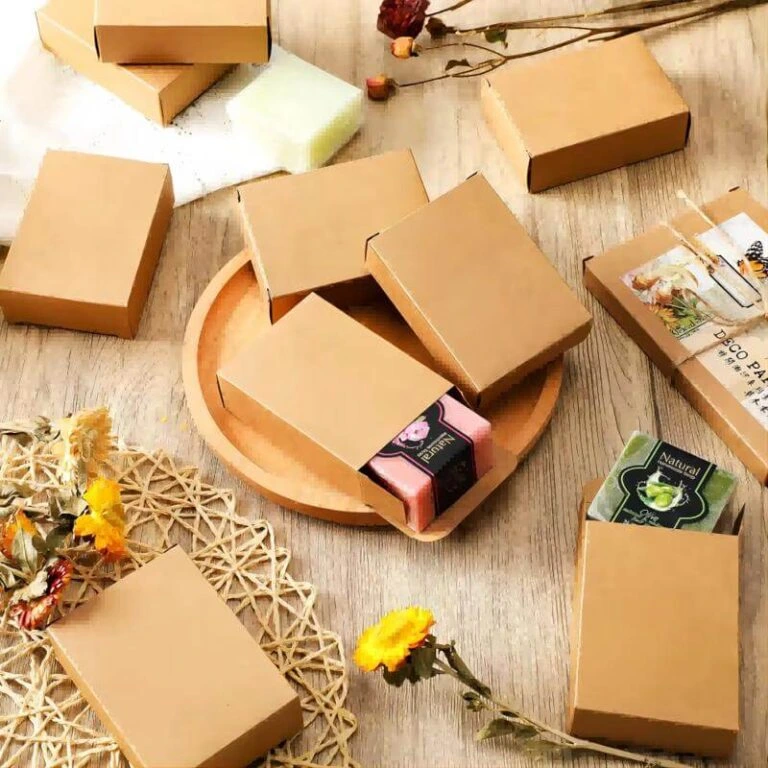
Kraft paper is produced through the “kraft process,” which uses fewer bleaching chemicals compared to traditional white paperboard. This results in the familiar brown, earthy look. But more importantly, it preserves fiber strength, making kraft soap boxes surprisingly durable.
From a sustainability standpoint, these boxes are often made from recycled content and are fully recyclable in most curbside programs across the USA. The Forest Stewardship Council also certifies responsibly sourced paper products, which many kraft packaging suppliers follow. That means the raw materials can come from sustainably managed forests.
Beyond recyclability, kraft packaging for soap offers practical advantages. It allows airflow, which is ideal for handmade soaps that need to breathe. It’s sturdy enough to protect the bar, yet lightweight enough to reduce shipping emissions.
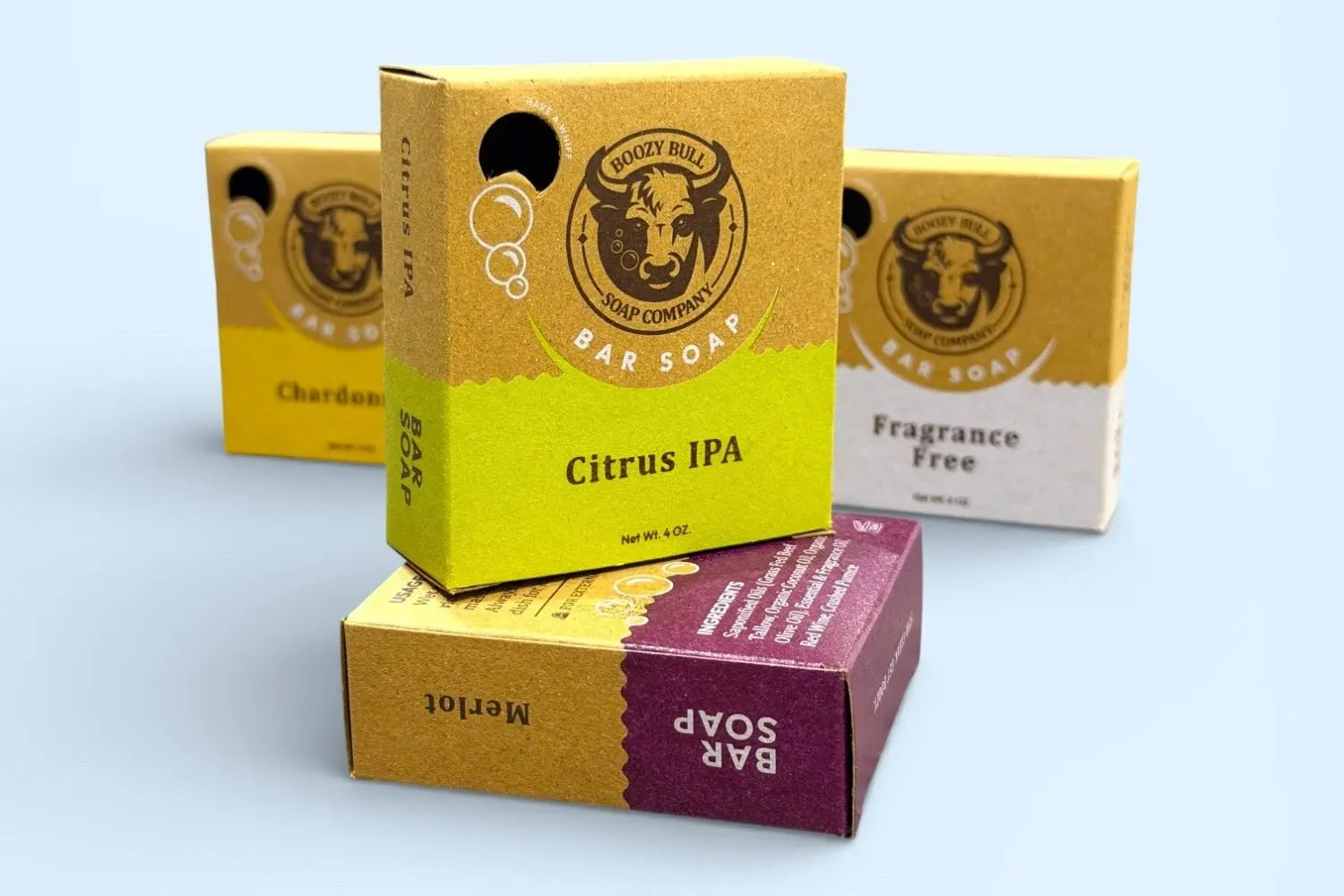
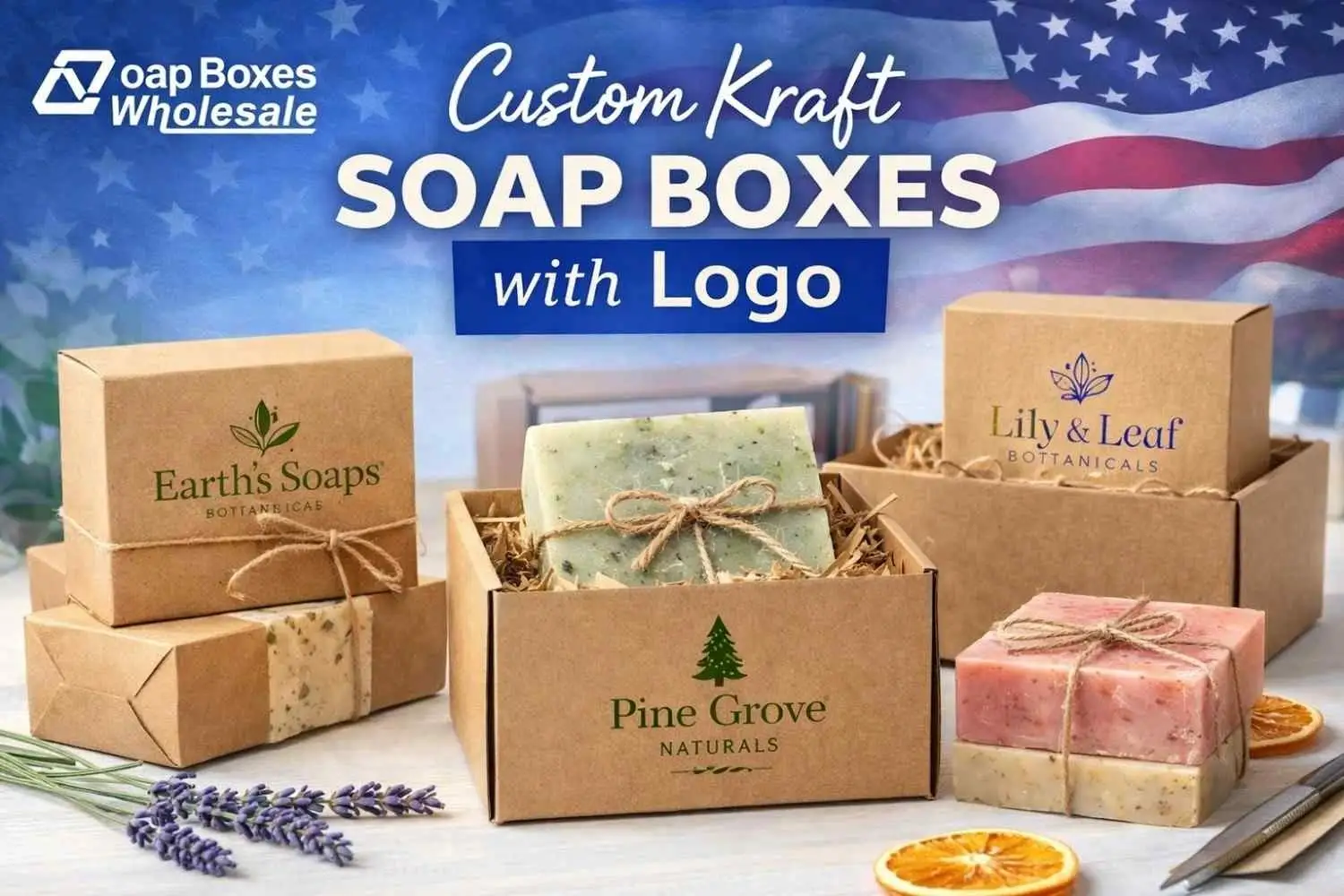
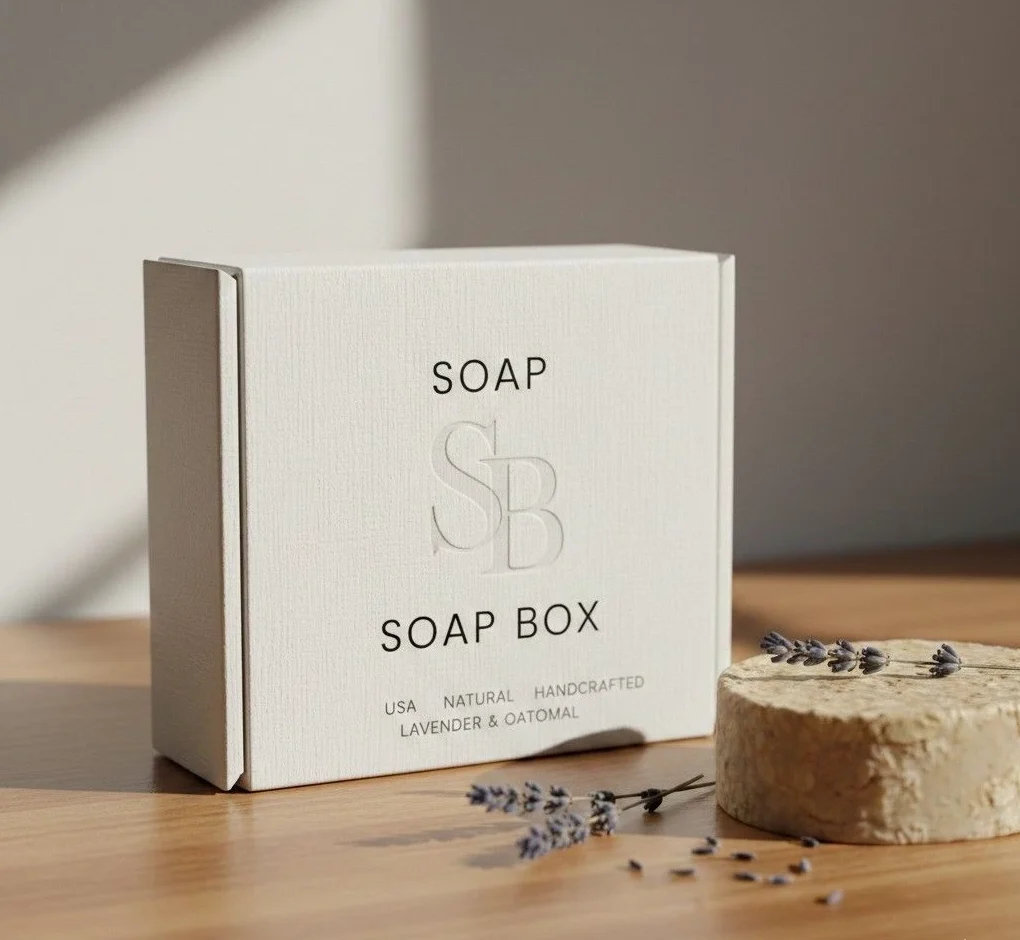
And then there’s branding. Custom kraft packaging offers a clean, natural aesthetic that appeals to eco-conscious buyers. Earth tones communicate simplicity and transparency. For brands selling at farmers’ markets or online, this can instantly reinforce a “natural” identity without overdesigning the packaging.
Of course, no material is perfect. Kraft isn’t waterproof, and it may require coatings if exposed to moisture. That’s where comparisons to other materials become important.
Comparing Kraft to Plastic and Coated Packaging
Now let’s talk about the elephant in the room: plastic.
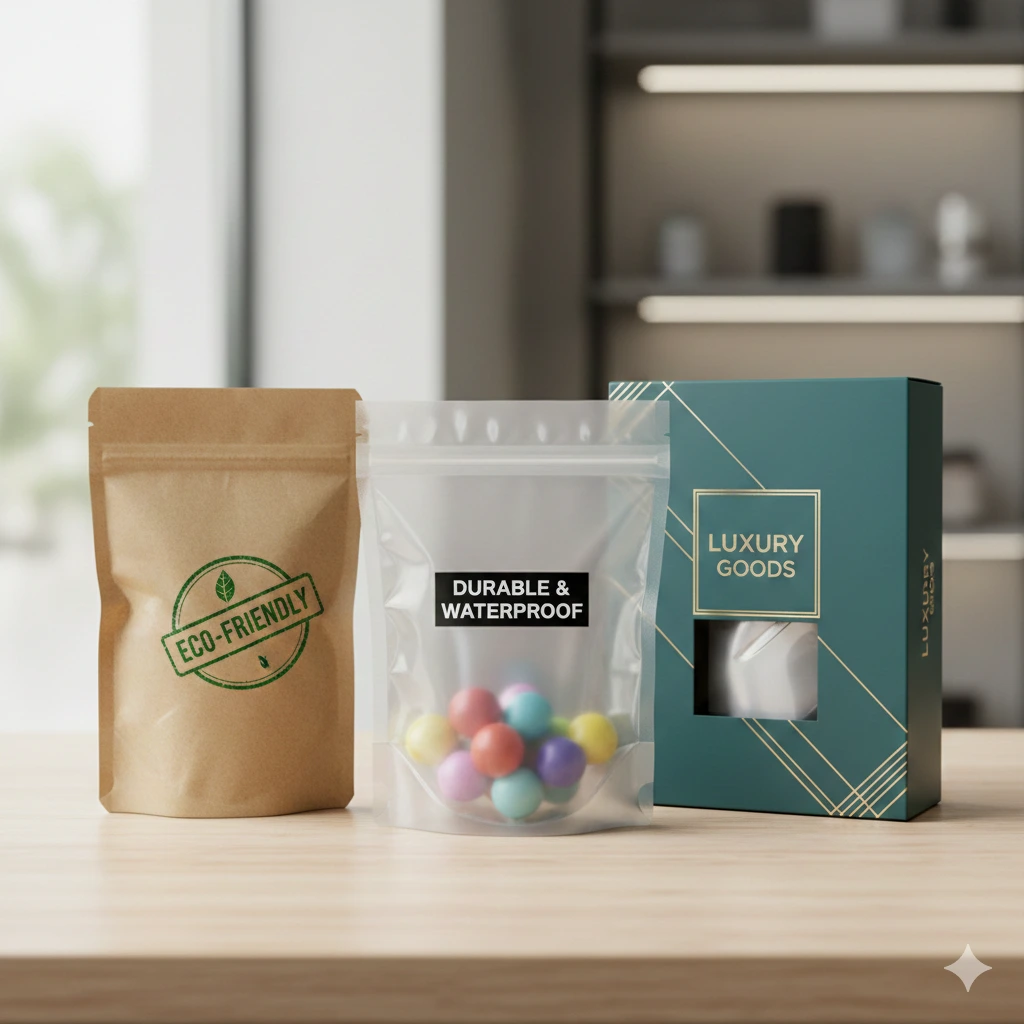
Plastic packaging has long been popular because it’s cheap, lightweight, and moisture-resistant. Shrink wrap and poly bags protect soap from humidity and contamination. However, from an environmental standpoint, plastic often loses in the Kraft vs Other Materials debate.
Many plastics are technically recyclable but not widely accepted in curbside programs. According to the National Geographic Society, a large percentage of plastic waste ends up in landfills or oceans each year. That’s a growing concern for environmentally conscious consumers.
Coated or laminated paperboard is another alternative. These boxes may look premium, with glossy finishes and bright colors. However, when paperboard is laminated with plastic film, it becomes difficult—or impossible—to recycle. That undermines the sustainability benefit of paper-based packaging.
In contrast, kraft-based cartons are typically uncoated or use water-based inks, making them easier to recycle. While they may not offer the same moisture barrier as plastic, many brands address this by wrapping the soap in biodegradable inner liners while keeping the outer packaging recyclable.
From a branding perspective, plastic can sometimes feel less authentic for natural or organic products. Kraft, on the other hand, visually reinforces sustainability. That emotional connection matters more than ever in the U.S. market.
Cost, Customization, and Retail Display Considerations
Sustainability is essential, but cost and presentation also matter.
When comparing Kraft vs Other Materials, many assume eco-friendly means expensive. In reality, ordering kraft soap boxes in bulk can be cost-effective, especially when sourced wholesale. Because kraft paper is widely available and requires less processing than bleached board, it can compete closely with standard cardboard in price.
Customization is another major factor. These boxes can be printed with soy-based inks, embossed, die-cut with windows, or designed as display soap boxes for retail shelves. This makes them flexible for both small handmade brands and larger commercial operations.
Display soap boxes made from kraft material can also enhance in-store merchandising. Their natural appearance stands out in a sea of glossy packaging. For retailers aiming to create a clean beauty section, kraft packaging blends seamlessly with wooden shelves and minimalist décor.
On the other hand, high-end luxury brands sometimes prefer rigid boxes or specialty coated materials for a more premium feel. If the brand identity centers around glamour or bold color design, coated paperboard may offer more visual impact.
That said, many modern brands are redefining “premium.” Today, minimalism and sustainability often feel more luxurious than shine and gloss.
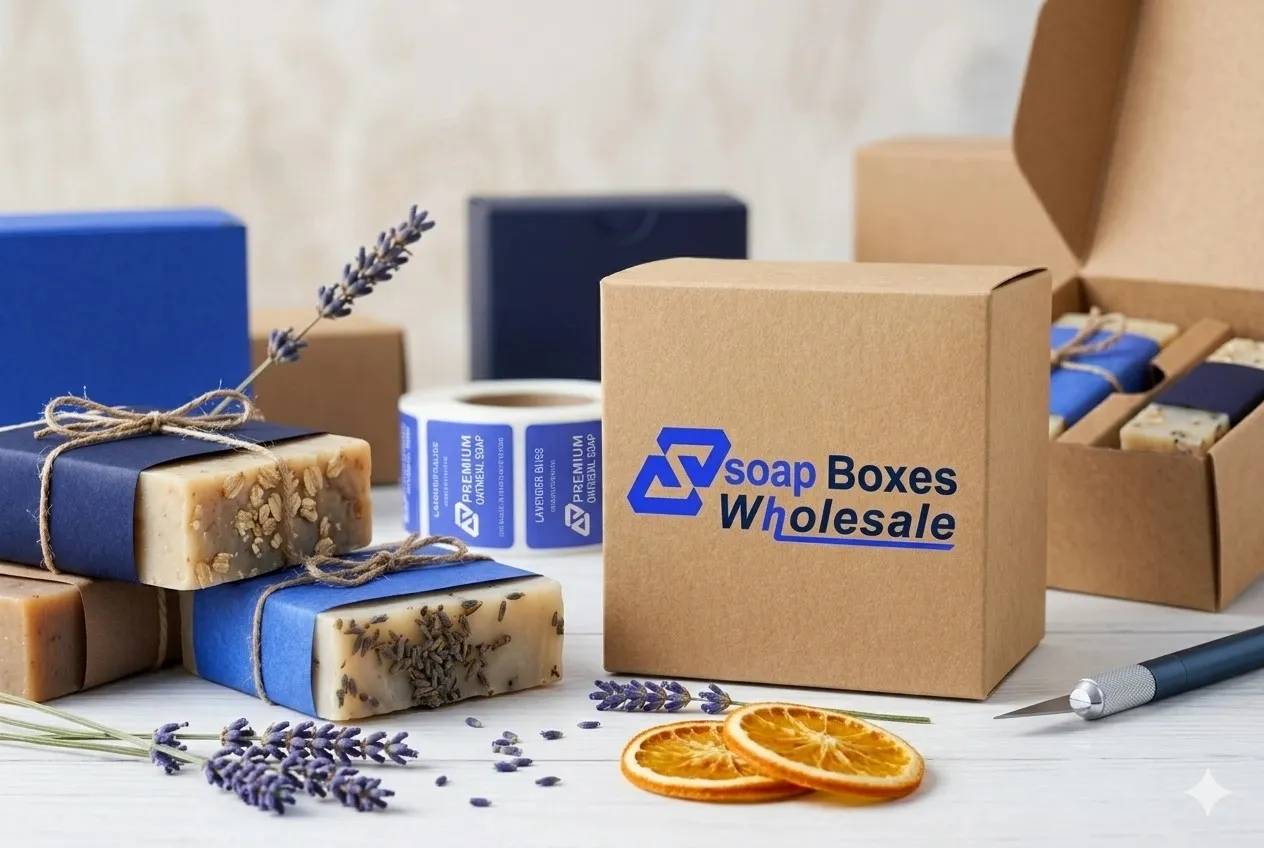
If you’re sourcing from a supplier like Soap boxes wholesale, it’s worth comparing material samples side by side. The tactile feel, print quality, and structural strength can vary significantly.
Environmental Impact Beyond the Box
Here’s something many people overlook in the Kraft vs Other Materials conversation: the full lifecycle impact.
Sustainability isn’t just about whether something is recyclable. It’s also about how it’s produced, transported, and disposed of. In many cases, kraft soap boxes have a lower carbon footprint compared to plastic, especially when made from recycled fibers. Paper production does use energy and water, but improvements in manufacturing have reduced environmental impact over the years.
Transportation also plays a role. Lightweight paper-based cartons are stackable, reducing shipping emissions. Plastic clamshells or rigid packaging can take up more space, increasing transport costs and environmental impact.
Then there’s consumer behavior. Even the most recyclable material won’t help the planet if it’s thrown in the trash. Fortunately, paper-based packaging has higher recycling rates in the United States compared to plastic film.
Ultimately, the best choice balances functionality with environmental responsibility. For most standard bar soaps, simple recyclable cartons provide enough protection while keeping sustainability front and center.
Key Takeaways
When comparing Kraft vs Other Materials, kraft packaging stands out for its recyclability, natural appeal, and balance of durability and cost. While plastic and coated options may offer moisture resistance or glossy finishes, they often fall short in environmental performance. Paper-based solutions align well with the values of today’s eco-conscious U.S. consumers. The right packaging ultimately depends on your brand goals, product needs, and customer expectations—but kraft offers a strong, sustainable foundation.
So what matters more to you when buying soap: appearance, protection, or environmental impact?
If you’re exploring sustainable options for your brand, consider reviewing samples from trusted suppliers and seeing how kraft packaging fits your product line. Thoughtful packaging decisions today can build stronger customer trust tomorrow.