Have you ever wondered if packaging could do more than just protect a product—if it could communicate with customers, monitor quality, and provide valuable insights on usage? This is the idea behind smart packaging, a technology-driven solution that allows brands to engage with buyers, ensure product quality, and collect actionable data. Even small businesses can take advantage; for example, custom soap boxes can feature QR codes or interactive labels that provide customers with product instructions, tutorials, or brand stories. By combining these features with thoughtful design, brands can create a richer, more engaging customer experience. In this blog, we’ll explore 7 key insights and additional strategies that explain why smart packaging is becoming a vital tool for modern businesses.
1. Understanding Smart Packaging
Smart packaging is packaging that integrates technology to deliver more value than traditional packaging. It can include QR codes, NFC chips, sensors, time-sensitive indicators, or even augmented reality (AR) features. These innovations allow brands to communicate directly with consumers, monitor product conditions, and gather data to inform marketing, production, and business decisions.
For instance, a beverage company can use temperature-sensitive labels on bottles to ensure the product hasn’t been exposed to heat during transportation. Similarly, a cosmetic brand can embed QR codes in packaging to guide customers to tutorials or ingredient information. These solutions enhance consumer trust while giving brands tools to optimize product distribution.
2. Insight 1 – Interactive Customer Engagement
One of the most important advantages of smart packaging is its ability to create interactive experiences. QR codes, NFC chips, and AR features allow consumers to instantly access tutorials, videos, promotions, or additional product information.
For example, a skincare brand can include a QR code that leads to an instructional video demonstrating product usage. This makes the product experience educational and engaging. Interactive packaging also encourages customers to share their experiences online, amplifying brand visibility and increasing word-of-mouth marketing. Smart packaging transforms the product from a simple item into a complete customer experience.
3. Insight 2 – Product Safety and Quality Control
Smart packaging can monitor and maintain product safety and quality. Sensors can detect tampering, spoilage, or environmental conditions that might compromise the product. This is crucial for items like food, beverages, skincare, and pharmaceuticals.
For example, a dairy brand can use time-temperature indicators on cartons to alert both the manufacturer and the consumer if a product has been exposed to unsuitable conditions. Customers gain confidence knowing the product has been actively monitored for safety and quality. This reassurance can significantly increase brand loyalty and reduce product returns.
4. Insight 3 – Supply Chain Transparency
Another significant benefit of smart packaging is real-time supply chain visibility. RFID tags or QR codes allow brands to track products from manufacturing to delivery. This reduces counterfeit products, ensures accurate inventory management, and provides consumers with confidence about product authenticity.
Small businesses also benefit from smart packaging by tracking shipments and understanding where delays occur. For example, a company selling custom soap boxes can confirm that each product reaches its destination on time and in perfect condition. This level of transparency improves customer trust and brand credibility.
5. Insight 4 – Temperature and Freshness Monitoring
Products sensitive to environmental conditions, such as cosmetics, organic soaps, and beverages, benefit greatly from smart packaging that monitors temperature and freshness. Alerts can notify the manufacturer or consumer if the product has been exposed to unsuitable conditions during shipping or storage.
For instance, organic skincare products packaged with temperature-sensitive labels or sensors can assure customers that the product maintains its intended quality. Similarly, a perishable food item with freshness indicators allows consumers to verify that the product is safe and fresh, which enhances the overall experience and encourages repeat purchases.
6. Insight 5 – Sustainability and Waste Reduction
Sustainability is becoming increasingly important to modern consumers. Smart packaging can reduce environmental impact through recyclable materials, minimal packaging, or reusable solutions.
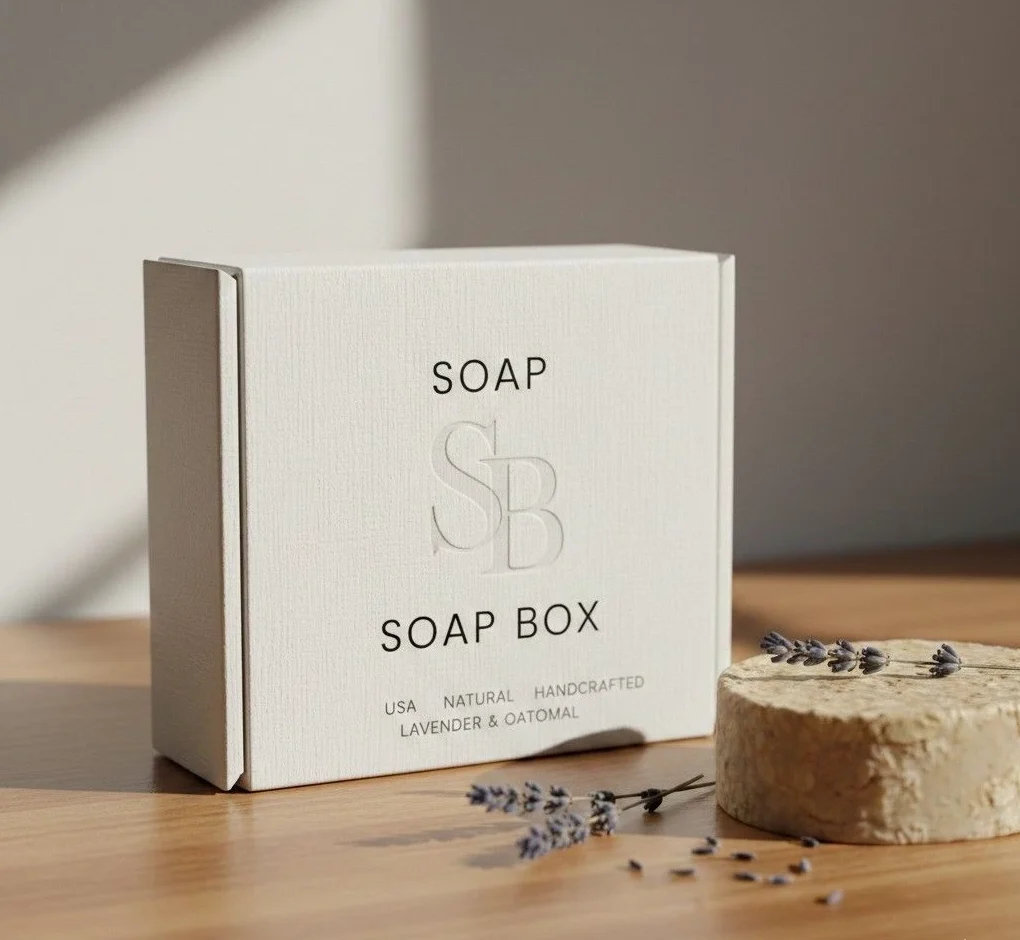
By incorporating eco-friendly materials and eliminating unnecessary printed instructions, brands can reduce waste. For example, a custom soap box designed with recyclable cardboard and QR code instructions provides all necessary information digitally, eliminating extra inserts. This approach appeals to environmentally conscious consumers and strengthens brand reputation.
7. Insight 6 – Brand Differentiation
Innovative packaging allows brands to stand out in crowded markets. Features like interactive QR codes, AR experiences, or unique designs communicate the brand’s dedication to quality and customer experience.
Even small businesses can leverage this advantage. A unique, technology-driven packaging design creates a memorable impression, encourages social sharing, and increases repeat purchases. Packaging is no longer just a container; it becomes a key part of the product’s story and the customer journey.
8. Insight 7 – Data Collection and Analytics
Smart packaging can collect valuable data on how customers interact with products. Brands can learn which features are most popular, how products are used, and which items are in high demand.
For example, a beverage company using smart packaging can track which flavors are purchased most often, or which AR content drives the highest engagement. This data helps brands make informed decisions about inventory, marketing campaigns, and product development. Understanding consumer behavior through smart packaging provides a significant competitive advantage.
9. Cost Considerations and Implementation
A common concern is the cost of smart packaging. While advanced features like NFC chips, AR integration, or embedded sensors can be expensive, simple solutions like QR codes, basic sensors, and time-sensitive indicators are affordable even for small businesses.
Brands can start with low-cost smart packaging options and gradually adopt more advanced features. For instance, a small skincare brand might begin by adding QR codes for tutorials and customer feedback, then later include AR experiences or freshness indicators as the business grows. This incremental approach ensures ROI while maintaining affordability.10. Future Trends of Smart Packaging
The future of smart packaging is exciting and rapidly evolving. Emerging trends include:
- AR and VR integration for immersive experiences
- Blockchain-enabled tracking for total supply chain transparency
- AI-powered predictive analytics to forecast demand and customer preferences
- Eco-smart materials that reduce environmental impact while integrating technology
Brands that adopt these trends early can position themselves as innovative leaders, improving engagement, trust, and sales.
11. Challenges and Considerations
While smart packaging offers numerous benefits, brands must consider:
- Cost and production complexity
- Consumer adoption and usability
- Data privacy concerns
- Compatibility with sustainability goals
Careful planning ensures the benefits outweigh potential challenges. Understanding target consumers and integrating technology thoughtfully can maximize the positive impact of smart packaging.
Summary of 7 Key Insights
Smart packaging offers multiple advantages for businesses and customers alike. It enables interactive customer engagement, allowing consumers to access tutorials, promotions, and product information easily. It improves product safety by monitoring conditions and reducing the risk of spoilage or tampering. Supply chain transparency ensures accurate tracking and authentic delivery of products. Temperature and freshness monitoring helps maintain product quality, especially for sensitive items. Smart packaging supports sustainability by using eco-friendly materials and reducing waste. It also allows brands to differentiate themselves in competitive markets through unique, innovative packaging. Finally, it provides valuable data collection and analytics, helping businesses understand consumer behavior and make informed decisions.
Why This Matters for Your Business
Smart packaging is no longer optional; it is a strategic tool that improves engagement, ensures product quality, provides transparency, and delivers valuable insights. Companies can differentiate themselves in the market, meet growing consumer expectations, and combine technology with sustainability for maximum impact.
CTA: Explore smart packaging solutions today!
FAQs About Smart Packaging
1. What is smart packaging in simple terms?
Smart packaging uses technology like QR codes, sensors, or NFC chips to provide more than protection. It makes packaging interactive, informative, and valuable for both brands and consumers.
2. How does smart packaging benefit small businesses?
It improves customer engagement, builds trust, and provides insights about product usage. Simple features like QR codes can create a professional, interactive experience.
3. Can custom soap boxes be used with smart packaging technology?
Yes. Custom soap boxes can include QR codes, freshness indicators, or interactive labels, adding value and engagement without changing the product.
4. Is smart packaging expensive?
Costs vary. Simple QR codes or basic indicators are affordable, while NFC chips or sensors are pricier. Businesses can start small and scale gradually.
5. How does smart packaging help in sustainability?
It reduces waste by using recyclable materials and replacing printed inserts with digital content, making packaging eco-friendly and efficient.