Choosing the right soap packaging can quietly make or break your brand’s growth. In this guide, you’ll learn the real differences between wholesale and custom retail soap packaging, when each one makes sense, and how smart packaging decisions impact cost, branding, and customer trust in the US market.
What does “wholesale vs retail soap packaging” actually mean?
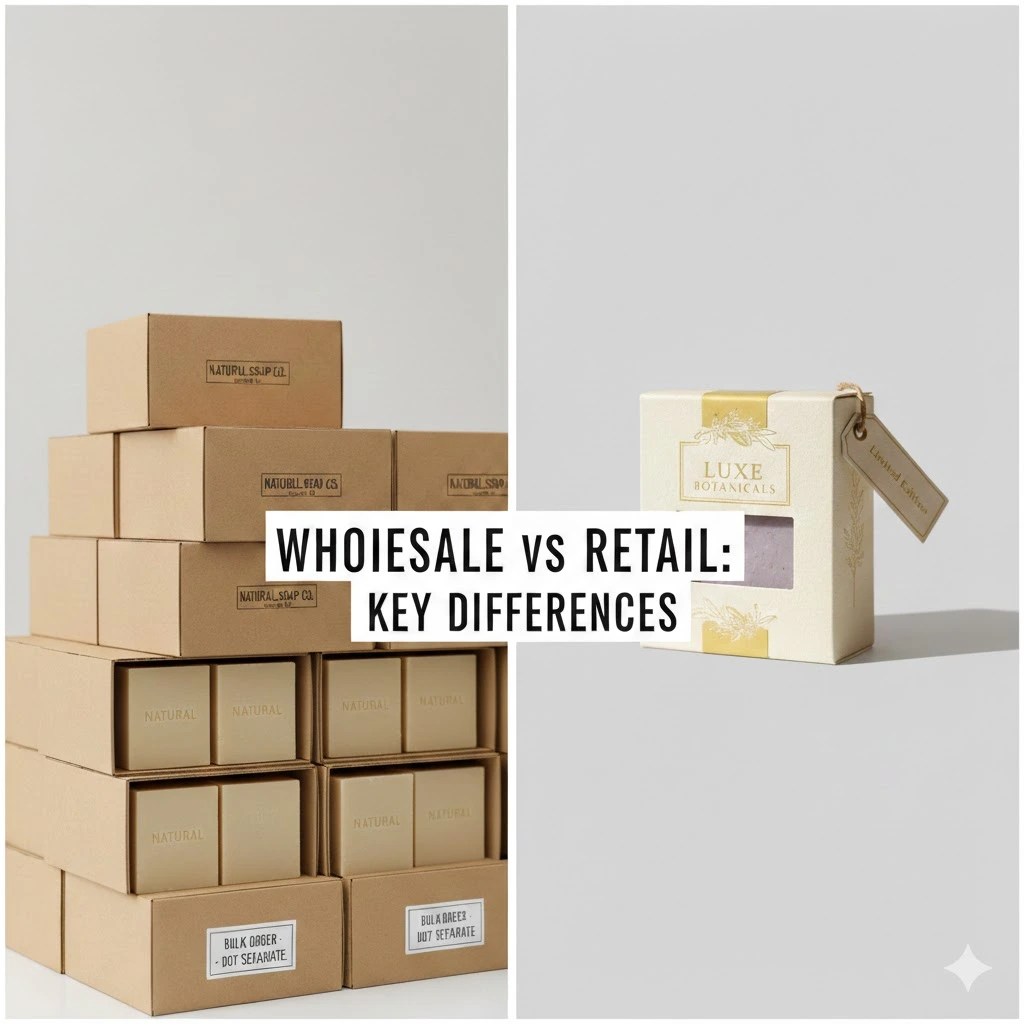
Wholesale vs retail soap packaging refers to how soap is boxed, branded, and produced based on where and how it will be sold. Wholesale packaging is designed for bulk distribution and efficiency, while retail packaging focuses on shelf appeal and direct consumer experience.
In our experience working with US soap brands, many businesses struggle not because of product quality, but because their packaging strategy does not match their sales channel.
How wholesale soap packaging supports bulk selling
Wholesale soap packaging is built for scale. It prioritizes durability, cost control, and consistency across large production runs. This type of packaging is commonly used when selling to distributors, hotels, spas, subscription boxes, or large retailers.
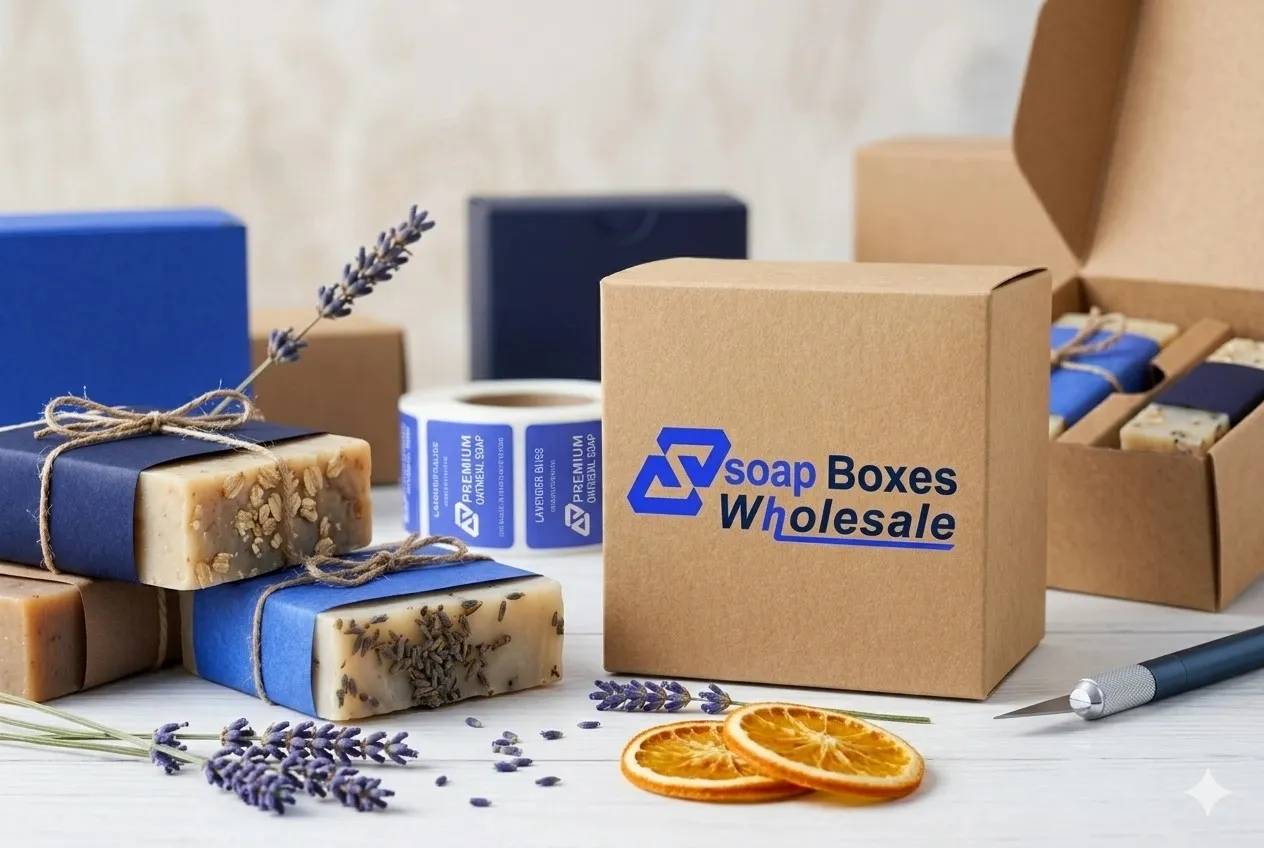
Based on industry standards, wholesale packaging typically uses simpler printing, uniform box sizes, and materials that protect soap during shipping and storage. Brands that invest in custom soap boxes wholesale often see lower per-unit costs and fewer logistics issues as they grow.
Why retail soap packaging focuses on visual impact
Retail soap packaging is designed to sell at first glance. It needs to communicate scent, ingredients, brand values, and quality in just a few seconds on a store shelf or ecommerce product page.
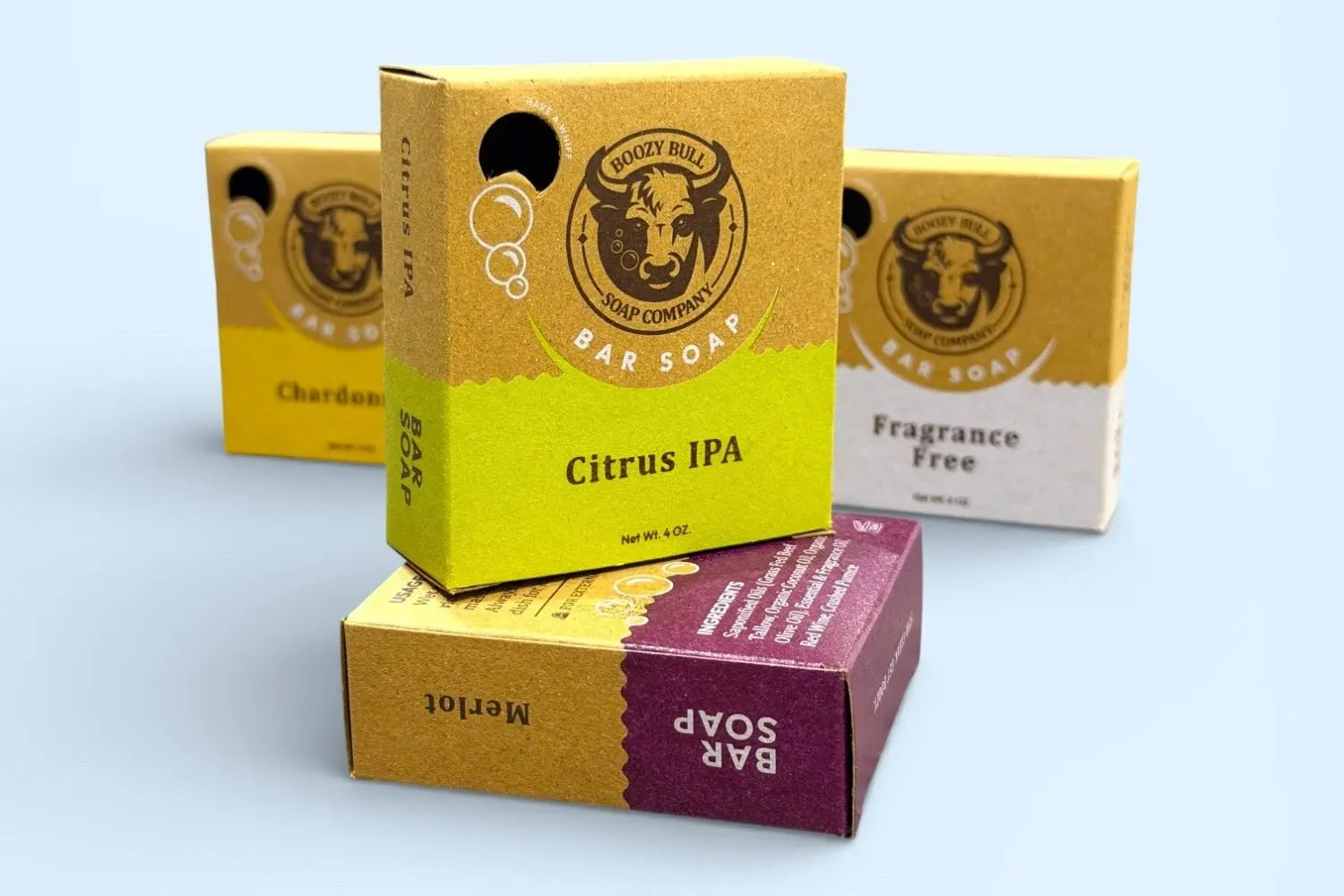
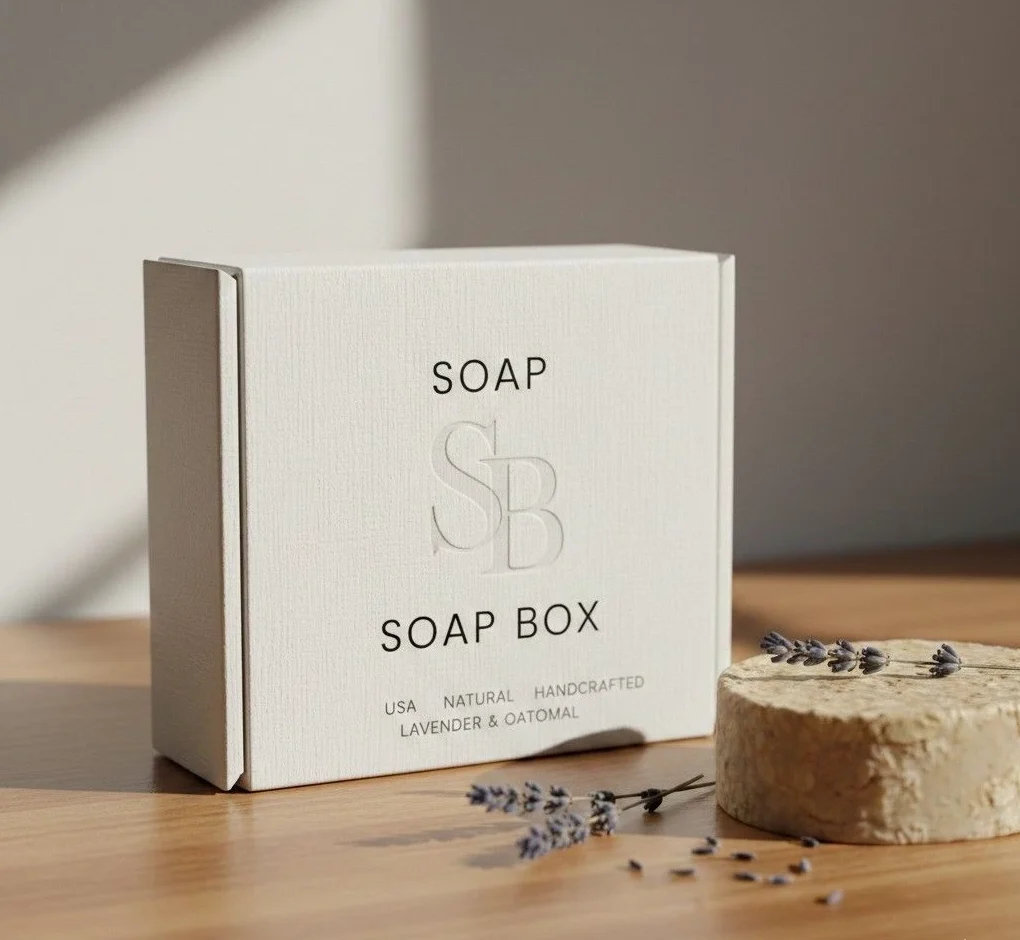
In practice, retail boxes often include premium finishes, storytelling elements, and design features like custom soap boxes with window options so customers can see the product before buying. This packaging style works best for boutiques, farmers markets, DTC brands, and online stores competing for attention.
Cost differences between wholesale and retail packaging
One of the biggest differences comes down to cost structure. Wholesale packaging benefits from economies of scale, which lowers material and printing costs per box. Retail packaging usually costs more per unit due to design complexity, shorter runs, and higher-quality finishes.
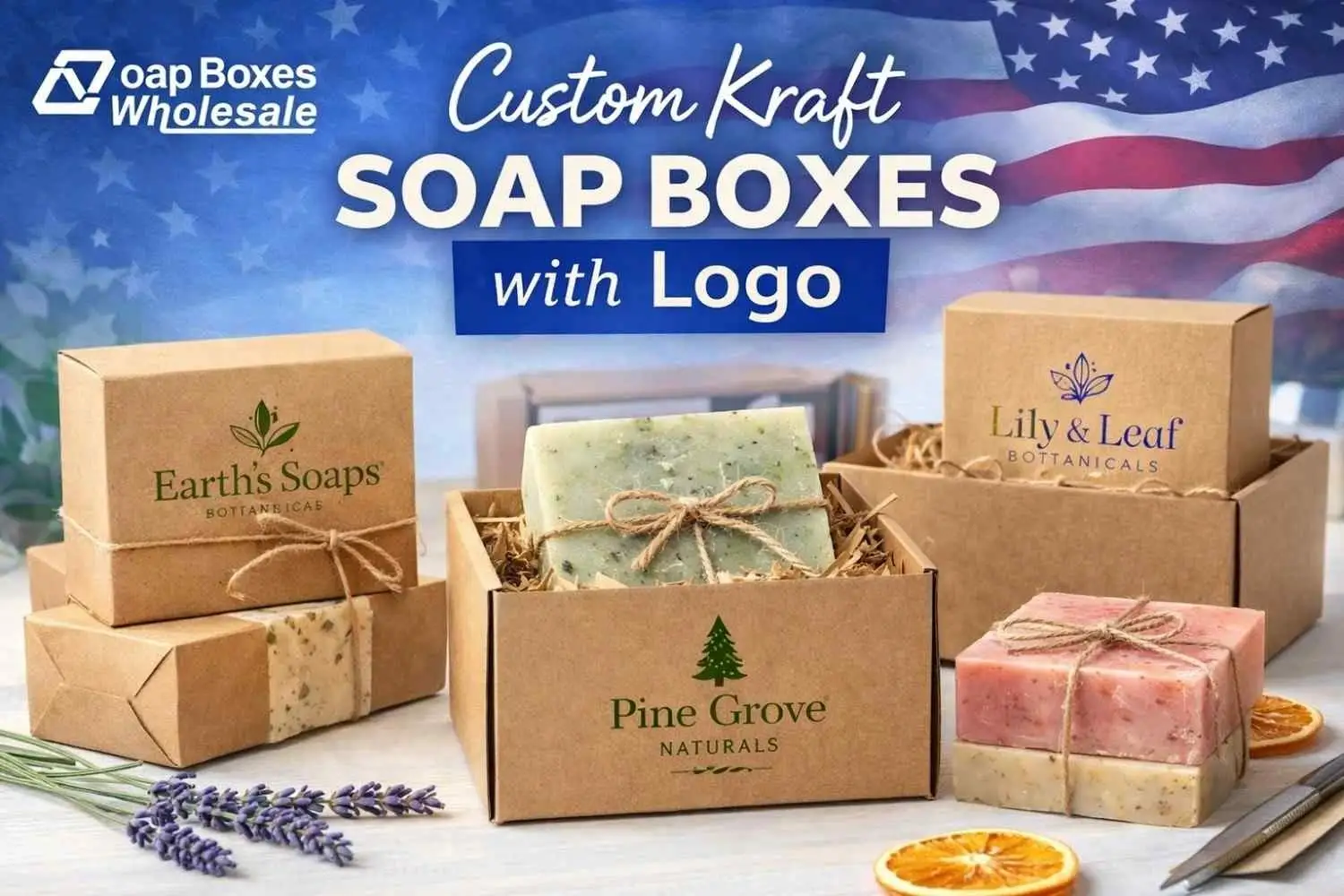
From our hands-on projects, brands that sell in both channels often use kraft soap boxes for wholesale orders and a more refined retail version for direct consumers. This hybrid approach helps protect margins without sacrificing brand image.
How material choices change based on sales channel
Material selection plays a strategic role in packaging decisions. Wholesale packaging favors sturdy, stackable materials that handle transport well. Retail packaging leans toward textures and finishes that feel premium in hand.
For example, eco-conscious brands selling online often choose recyclable paperboard for retail and reserve simpler stock for bulk orders. Product lines like bath bomb boxes usually require stronger internal support regardless of channel due to product fragility.
Branding flexibility: wholesale vs retail
Wholesale packaging limits branding flexibility to maintain consistency and reduce costs. Retail packaging allows more room for seasonal designs, limited editions, and storytelling.
In our experience, retail buyers expect packaging to explain why the soap is worth its price. Wholesale buyers care more about reliability, compliance, and uniform presentation.
Compliance and labeling considerations in the US
Both wholesale and retail packaging must follow US labeling requirements, but retail packaging typically includes more visible information. Ingredient lists, brand story, and usage instructions are more prominent because the box itself acts as a silent salesperson.
Wholesale packaging may still include required information, but it is often simplified or placed in less prominent areas.
Expert insight: when to choose wholesale, retail, or both
Many successful US soap brands do not choose one over the other. They build a packaging system that supports multiple sales channels.
Expert Tip: If you plan to scale nationally, design your packaging from day one so it can transition smoothly from retail shelves to bulk wholesale orders without a full redesign.
Key takeaway for growing soap brands
Wholesale vs retail soap packaging is not about better or worse. It is about alignment. The best packaging strategy matches your distribution model, protects your product, and supports long-term brand growth.
Brands that understand these differences early avoid costly redesigns and position themselves as professional, trustworthy suppliers in a competitive market.
Final thoughts and next steps
If your goal is to grow sustainably in the US market, packaging should be treated as a business tool, not an afterthought. The right balance between wholesale efficiency and retail appeal can unlock new sales channels and stronger customer loyalty.
If you are evaluating packaging options or planning your next production run, Soap Boxes Wholesale can help you choose a solution that fits your brand, budget, and growth goals.