
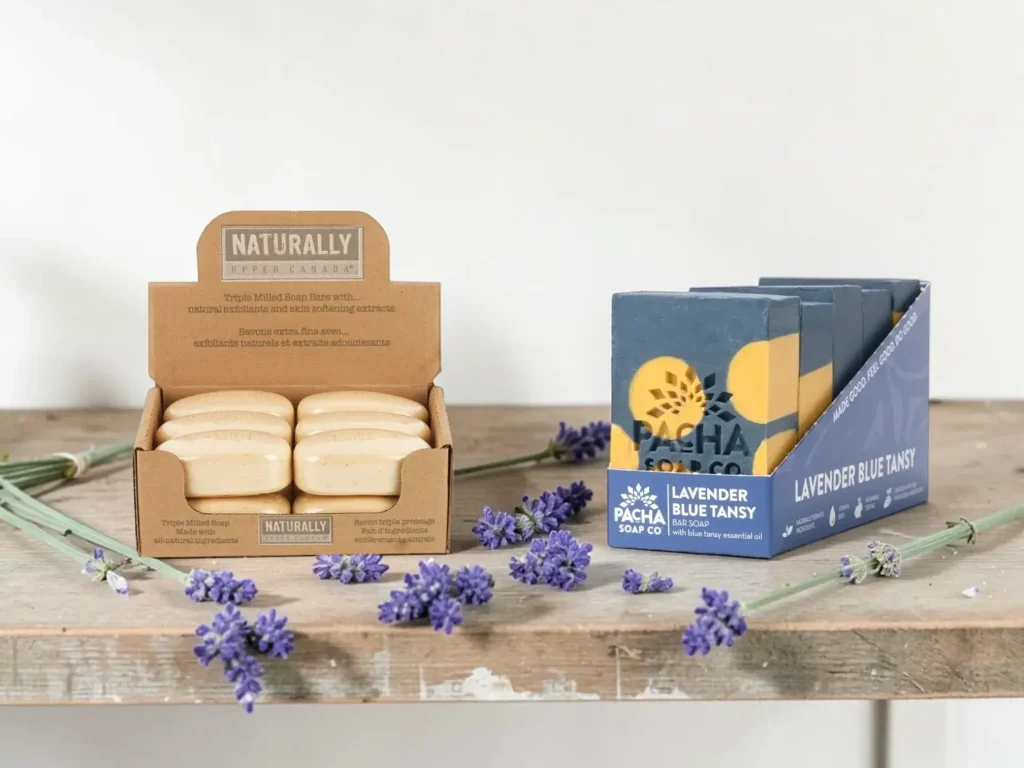
Understanding the Role of Display Packaging in Today’s Retail
Every seasoned retailer knows that most shoppers walk into a store with a plan, yet a large proportion of what actually ends up in their cart wasn’t on that list. In fact, recent 2026 research shows 68–73% of in‑store shoppers make unplanned or impulse purchases during a trip—and visual merchandising plays a huge role in that behaviour.
This is where physical packaging, especially soap display boxes and eco-friendly handmade soap boxes becomes more than just a container. It becomes a silent sales tool placed right where shoppers make split‑second decisions.
What “Impulse Sales” Really Means in a Retail Context
Impulse sales are purchases made without prior planning. These decisions are emotional and immediate—not logical and premeditated. Stores strategically position low-cost, eye-catching products near checkout lanes or high-traffic aisles because that’s where the shopper’s decision-making filters are lowest. Packaging and display systems like point-of-purchase (POP) units or countertop soap display boxes tap into these micro-moments by grabbing attention at the exact point shoppers are ready to buy, but haven’t yet decided what to add.
Why Soap Display Boxes Influence Purchase Decisions
Soap may seem like a simple everyday product, but how it’s presented changes whether and when it gets purchased.
They Catch the Eye in Busy Retail Environments
Retail shoppers make decisions quickly—often within 3 to 7 seconds of scanning a shelf. Soap display boxes elevate your product above the visual noise. Rather than bottles or bars tucked behind other products, a dedicated display box immediately interrupts a shopper’s autopilot with a defined, branded presentation.
Strategic Placement Meets Psychology
Shoppers aren’t just browsing—they’re waiting, thinking, or wrapping up their trip.
At checkout and in high‑traffic zones, buyers are mentally vulnerable to impulses. They’ve already made dozens of decisions by that point in their trip, a phenomenon behavioural science calls decision fatigue.
Soap display boxes placed near checkout or end‑aisle displays take advantage of this moment, encouraging unplanned additions to the basket.
Visual Appeal Drives Emotional Choice
Packaging design is not decoration—it’s psychology in action. Studies show consumers judge products on colour and design before they process price or function. A well-executed custom soap boxes design plays a critical role here, as it combines structure, branding, and visual cues to influence perception instantly. When a soap display box uses attractive colours, clear messaging, or design cues that imply luxury, natural ingredients, or gift-worthiness—similar to how gift soap boxes are designed—it triggers emotional responses that push impulse purchases.
Data‑Backed Impact: Real Numbers That Matter
Here’s what industry and consumer research says about impulse buying and display influence:
- Up to 60–70% of purchases near checkout are impulse buys—a zone where display units like soap boxes belong.
- Retail end‑cap displays can lift product sales by up to 30% simply through enhanced visibility and exposure.
- A POPAI 2026 survey found that ~58% of shoppers say attractive in‑store displays influence their impulse purchases.
These aren’t hypothetical benefits—these are measurable effects observed across various retail categories, including beauty and personal care.
How to Use Soap Display Boxes to Increase Impulse Conversions

Be Intentional With Placement
A common mistake is treating display boxes as an afterthought. To truly affect impulse sales, your soap display box must be strategically placed where the shopper pauses or looks twice—checkout islands, end of aisles, or near complementary products like hand lotions or gift items.
Here are 5 ways soap boxes help boost retail sales when used correctly in these environments:
- Increased shelf visibility – A well-designed display box makes your soap stand out in crowded retail spaces, ensuring it gets noticed within seconds.
- Improved brand perception – Packaging communicates quality instantly, helping customers associate your product with trust and professionalism.
- Encourages impulse buying – Placement near checkout or high-traffic areas triggers last-minute purchase decisions.
- Better product organization – Display boxes keep products neatly arranged, making it easier for customers to browse and pick.
- Enhances gift appeal – Attractive packaging makes soaps feel more like a ready-to-gift item, increasing purchase likelihood.
Tailor Messaging to Trigger Emotion
Messages on the box should focus on quick, triggerable cues: “Perfect for gifting,” “Naturally scented,” or “Limited edition.” Many brands also take inspiration from luxury soap packaging ideas to shape how these messages are visually presented, ensuring the overall look feels premium and instantly appealing. They need to resonate before the shopper reads detailed info..
Match Design to Shopper Expectations
In the current US market, shoppers are savvy. Display boxes that convey quality, sustainability, or artisanal values—much like premium artisan soap boxes—often outperform generic designs in impulse sales because they signal value fast, something consumers register before deliberate thought kicks in.
A Final Word From the Retail Floor
After more than a decade in packaging strategy and retail merchandising, one thing holds true: your product can be excellent, but if it doesn’t get noticed in those final seconds before checkout, it often won’t sell.
Soap display boxes, when designed and placed intelligently, provide that final nudge at the point of purchase. They bridge the gap between intention and action, turning casual browsers into customers and giving your brand a reliable boost in impulse sales.
FAQs


