
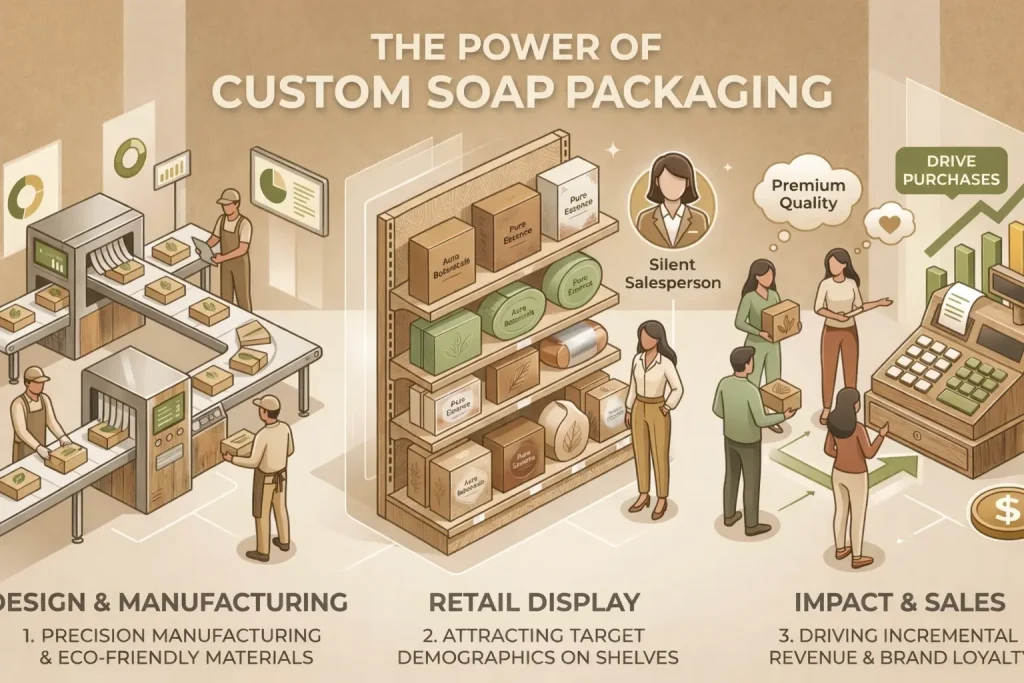
Walking through a retail store, consumers are constantly bombarded with choices. A beautifully crafted product can easily get lost if its exterior fails to capture attention. This is where strategic retail marketing must include thoughtful, well-designed packaging. Custom packaging does much more than protect the physical product; it communicates core brand values, attracts specific target demographics, and ultimately drives consumer purchasing decisions.
For businesses operating in the competitive personal care sector, investing in custom soap display boxes wholesale in the USA offers a distinct strategic advantage. It allows brands to scale their operations efficiently while maintaining a consistent visual identity across various regions and stores. With more brands entering the market and the range of product offerings expanding quickly, the presentation of your goods can make a remarkable difference in not only capturing foot traffic but also shaping the entire perception of your company.
This article explores the complete manufacturing journey of these containers, their direct effect on revenue, and the various styles available to marketers seeking to optimize their retail footprint. If you are exploring ways to distinguish your products and bring added value to your retail presentation, understanding every aspect of custom soap packaging will help your business thrive.
The Manufacturing Process of Custom Containers
The journey of creating a retail-ready package involves several meticulous steps. It begins with careful material selection. Eco-friendly kraft paper and durable corrugated cardboard are incredibly popular choices in the personal care industry, offering both environmental sustainability and necessary structural integrity. Choosing the right material ensures the product remains safe during transit and looks pristine upon arrival at the retail destination.
Manufacturers take into account the weight, dimensions, and fragility of the soap products when sourcing the base materials. They often source from suppliers who prioritize responsible forestry and minimal chemical processing. In addition to kraft and cardboard, some producers explore recycled materials to boost sustainability credentials—something modern consumers increasingly value.
Once the material is chosen, the graphic design phase kicks in. Advanced printing techniques, such as offset lithography and digital printing, apply vibrant colors and intricate typography directly onto the raw material. This step is crucial for brand recognition, as the color accuracy must match the company’s established visual identity perfectly. Additional finishes, like matte lamination, gloss UV coating, or metallic foil stamping, can be applied to give the exterior a premium feel.
Designers collaborate closely with the brand to ensure each box tells a cohesive story. Elements such as logos, taglines, and essential product information are carefully placed for clarity and appeal. Window cutouts, textured elements, and embossed details can be incorporated at this stage, creating a tactile experience for shoppers as they handle the product before purchase.
Next comes the precision die-cutting process. Industrial machines cut the printed boards into highly specific shapes, creating the precise folds, window cutouts, and interlocking tabs necessary for assembly. Custom die-cut templates allow for innovative shapes and easy assembly, making setup in-store straightforward and efficient. Well-designed packaging saves retailers time, which is critical in high-volume environments.
Finally, the cut pieces run through a folding and gluing machine. Rigorous quality control checks occur at this stage to ensure every single unit is sturdy, functional, and visually appealing before being shipped out to retail partners. Each box is pressure-tested for durability to ensure it holds up during transit and on the shelf. Quality inspections often involve visual checks for print consistency, glue strength, and structural alignment, which all contribute to a flawless final product.
Impact of Custom Packaging on Retail Sales
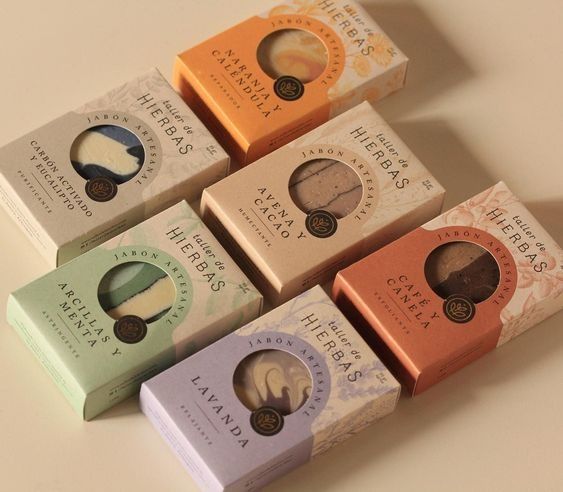
How does packaging actually affect the bottom line? Think of the exterior package as a silent salesperson working around the clock. When consumers see well-designed retail soap boxes, they immediately form subconscious judgments about the quality of the product resting inside. A sturdy, beautifully printed container signals premium ingredients and careful craftsmanship. It helps brands differentiate themselves from numerous competitors sharing the exact same retail space.
Furthermore, consumer psychology plays a massive role in purchasing habits. Color psychology, typography, and texture all influence how a shopper feels about a product. Warm colors might evoke feelings of comfort and natural ingredients, while minimalist black-and-white designs often signal luxury and modern clinical efficacy.
The packaging communicates promises about performance and experience before the buyer even interacts with the product itself. For example, clear labeling about ingredients can foster trust, while unique design elements may hint at artisanal craftsmanship or innovative formulas. Since impulse buying is a frequent phenomenon in personal care aisles, attractive containers can trigger spontaneous purchases, leading to incremental revenue that might otherwise be lost.
Additionally, unique and attractive packaging strongly encourages social media sharing. Modern customers love photographing and unboxing aesthetically pleasing products. This behavior provides organic, free marketing and drastically increases brand visibility online. Influencers and everyday consumers alike are drawn to packaging that stands out, amplifying your brand’s reach beyond the physical store.
This type of organic reach often translates directly into higher sales volumes, improved brand loyalty, and better long-term customer retention rates. By standing out at the first point of contact—the retail display—brands can win repeat customers who begin to associate top-quality products with their distinctive packaging.
Different Styles for Diverse Marketing Needs
Retailers require versatility in their packaging strategies to appeal to different customer segments. Depending on the specific product line and target audience, different shapes serve entirely different marketing purposes.
Circular and Cylindrical Designs
Circular shapes stand out immediately because they break the visual monotony of traditional rectangular packaging. Using round soap boxes works perfectly for artisanal, botanical, or premium organic lines. They feel natural and ergonomic in the consumer’s hand, drawing the eye quickly when placed in a busy retail environment.
Their playful silhouettes often appeal to younger demographics or shoppers looking for something outside the norm. Because these boxes are less common, they evoke curiosity and catch the shopper’s attention from a distance. The rounded form also allows for layered stacking arrangements and can accommodate individually wrapped bars or bath bombs, maximizing in-store flexibility.
Bundles and Special Occasions
Holidays, anniversaries, and special occasions demand specialized marketing tactics. Offering beautifully curated gift soap boxes allows brands to bundle multiple complementary items together into one premium package. These packages often feature transparent window cutouts, silk ribbons, or magnetic closures, making them ideal for birthdays or seasonal promotions where shoppers want a ready-to-give item.
Gift sets build perceived value and make it easy for retailers to position the product as a luxurious, thoughtful present. This approach not only drives higher per-transaction value but also introduces your products to new customers who may become loyal enthusiasts. Many consumers seek pre-arranged sets to simplify gift-giving, and premium packaging ensures that the unboxing experience feels memorable.
Traditional and Efficient Configurations
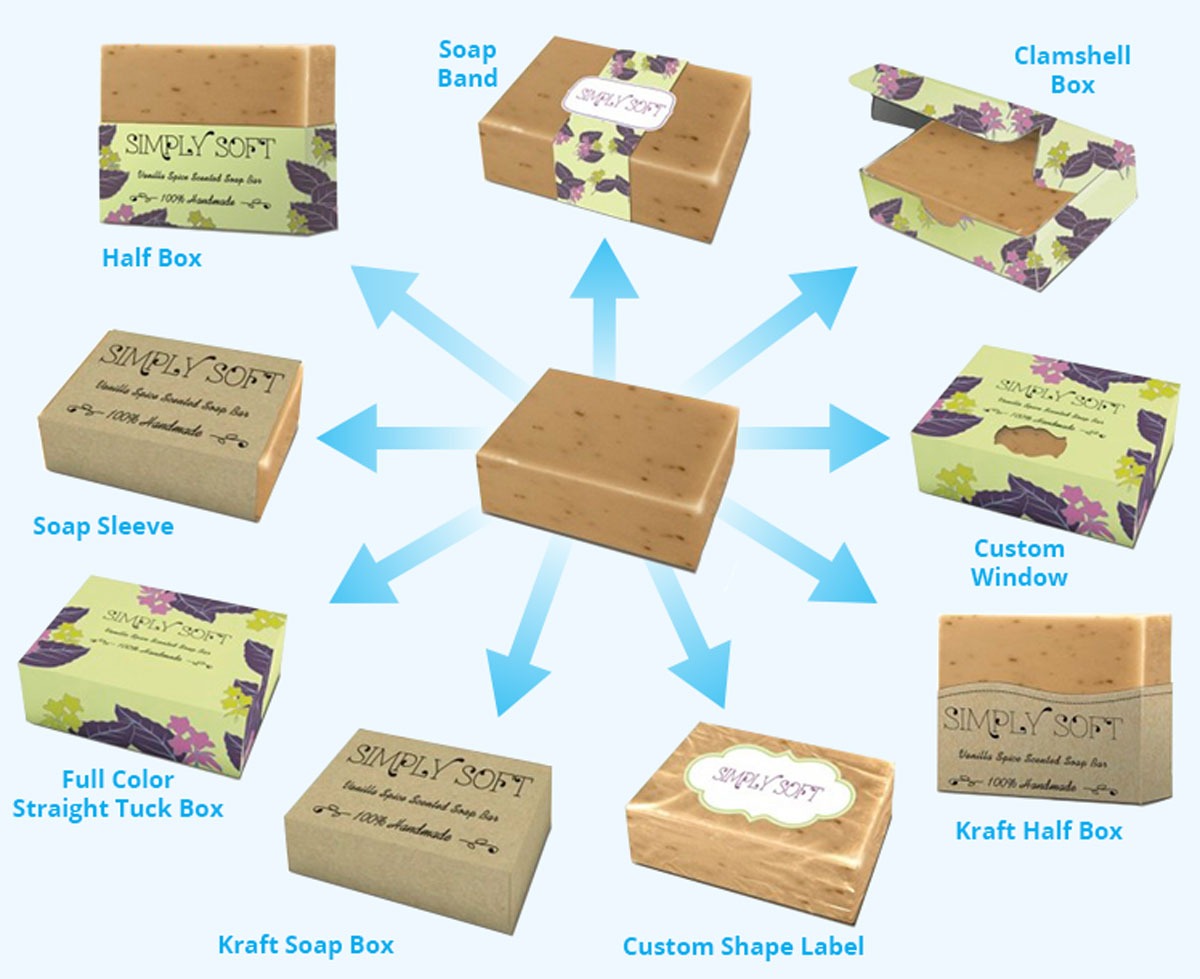
Despite the rise of unique shapes, the industry standard still holds massive logistical and marketing value. Traditional square soap boxes stack incredibly efficiently, maximizing limited store space and reducing shipping costs. They also provide ample, flat surface area for bold branding, detailed ingredient lists, and compelling company stories.
Because of their efficiency, these classic designs are preferred for large-scale retail or subscription-based businesses needing uniformity and cost-effective shipping. The angular construction leads to less damaged product during transport and handling, while offering flexibility for bar sizes and label placement. This utility doesn’t dull their impact; when paired with creative visuals, even standard boxes can feel unique.
Enhancing Functionality with Inserts and Displays
Savvy brands often opt to include custom inserts or specialized display features tailored to specific retail settings. Inserts help keep products secure during transit and prevent movement inside the box, which is especially valuable for delicate or uniquely shaped soaps. Also, point-of-purchase displays can be designed to fit atop counters or shelves, encouraging last-minute sales and increasing visibility near checkout zones.
High-visibility soap display boxes are perfect for seasonal launches or featured products, enabling stores to present multiple items in a compact, eye-catching unit. Organizing soaps by color, scent, or function enhances the overall shopping experience and allows brands to tell a compelling story right at the shelf.
Maximizing Your Retail Strategy
Securing high-quality soap display boxes is a critical step for any personal care brand wanting to succeed in a saturated market. The journey from a raw piece of cardboard to a finished marketing asset requires precision, creativity, and strategic thinking. Investing time and resources into the design and manufacturing process yields tangible returns in both brand loyalty and overall revenue.
In today’s market, customers demand packaging that not only catches the eye but also aligns with their environmental and quality expectations. Sustainable sourcing, clear messaging, and user-friendly designs all contribute to a positive brand image. Companies that adapt with flexible packaging solutions are better positioned for growth as customer trends evolve.
If you are ready to refine your retail strategy, partnering with a reliable manufacturing supplier is the crucial next step. Specialized teams like soap boxes wholesale provide the technical expertise and production capabilities needed to turn your packaging vision into a tangible reality. Open communication with suppliers around design ideas, production timelines, and sustainability goals helps you achieve consistency and excellence at every scale.
Start evaluating your current packaging strategy today, and consider how a fresh, purposeful design might resonate more deeply with your target market. A small change in packaging can lead to profound shifts in how your brand is perceived, ultimately leading to stronger customer relationships and better business performance.


