
The Role of Packaging in Modern Soap Branding
In the United States, soap is not just a daily product. It is part of a lifestyle. People care about how a product looks, feels, and even how it is packaged. Packaging is often the first thing a customer notices. Before they smell the soap or read the label, they see the box. That first impression can decide whether they pick it up or move on.
Good packaging builds trust. It tells the customer that the product inside is safe, clean, and worth their money. A strong and well-designed box also protects the soap from damage, heat, and moisture. For brands that want to grow in the U.S. market, packaging is not optional. It is a key part of success.
Breaking Down Packaging Materials: What Really Matters
Material impacts strength, look, and customer perception. In the U.S., buyers prefer safe, eco-friendly, and simple packaging.
It must protect the soap and match brand identity, whether natural or premium.
Grasping the differences in Soap Packaging Materials helps businesses make smarter and more informed choices. It ensures the packaging not only protects the soap during storage and shipping but also supports the brand’s overall image. When the right material is selected, it creates a balance between durability, presentation, and customer expectations. This leads to better trust, stronger branding, and improved product value in the market.
Cardboard Soap Boxes: Cost-Effective and Customizable Solutions
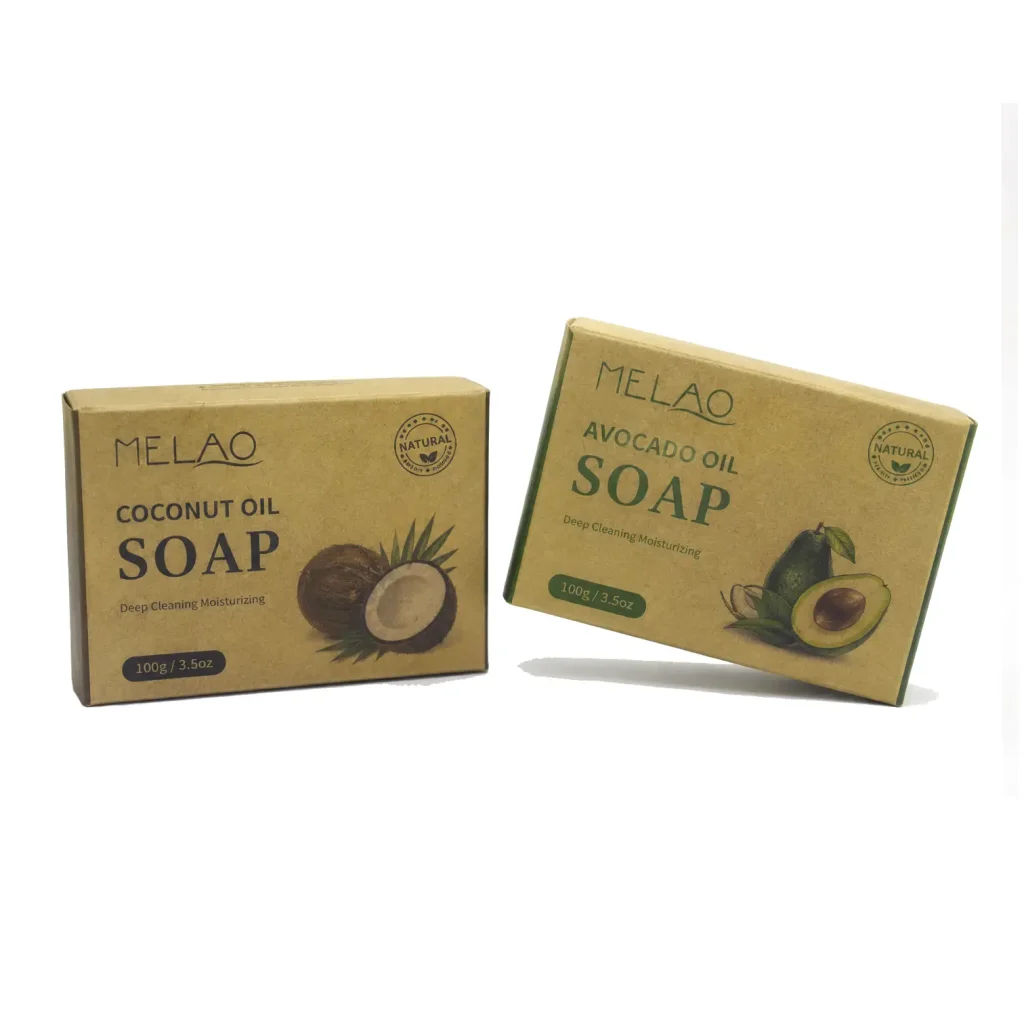
Cardboard boxes are one of the most popular choices for soap packaging. They are affordable and easy to design. Many small and medium businesses in the U.S. use cardboard because it allows them to create attractive packaging without spending too much.
Cardboard is lightweight, which makes shipping easier and cheaper. It can also be printed with bright colors, logos, and product details. This helps brands stand out on store shelves or online listings. Cardboard Soap Display Boxes are especially useful for retail environments where presentation matters.
However, cardboard is not the strongest material. It may not handle moisture or rough shipping as well as other options. For simple soap products, it works well. But for more delicate or high-end items, other materials may be a better choice.
Kraft Packaging: Meeting the Demand for Sustainable Choices
1. Rising Demand for Eco-Friendly Packaging
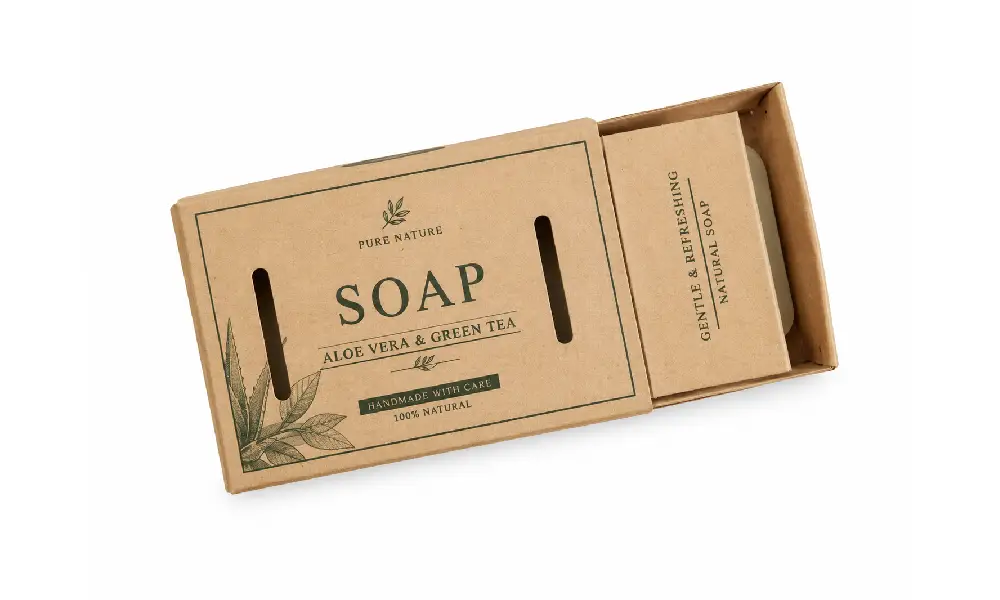
Kraft packaging has become very popular in the United States. Many customers now prefer products that are environmentally friendly. Kraft boxes are made from natural materials and are easy to recycle. This makes them a great option for brands that want to show they care about the planet.
2. Simple and Natural Appeal of Natural Soap Packaging Designs
Kraft Soap Packaging has a simple and natural look. It is often used for handmade or organic soaps. This style creates a sense of honesty and trust. Customers feel that the product is pure and safe.
3. Strength and Protection in Organic Soap Packaging Design
Kraft-based packaging is also stronger than regular cardboard. It handles moisture better and offers more protection during delivery. While it may not have the glossy finish of other materials, its natural appearance is exactly what many U.S. buyers are looking for today.
Rigid Boxes: Elevating Soap Products to a Premium Experience
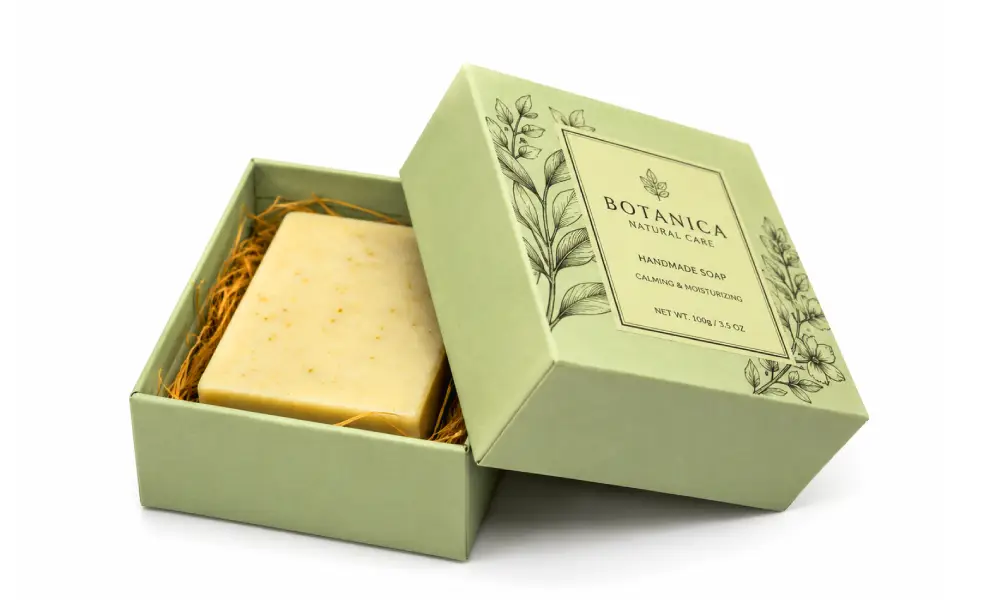
Rigid boxes are designed for high-end products. They are thick, strong, and do not bend easily. When a customer holds a rigid box, it feels solid and luxurious. This makes it perfect for gift sets or premium soap collections.
In the U.S. market, presentation plays a big role in selling expensive items. Rigid boxes create a memorable unboxing experience. They make the product feel special and increase its value in the eyes of the customer.
- U.S. market presentation matters.
- Rigid boxes enhance unboxing.
- They increase perceived value.
These boxes also provide excellent protection. They keep the soap safe from pressure, damage, and environmental changes. However, they are more expensive than cardboard and kraft options. Businesses need to decide if the higher cost matches their product pricing and target audience.
Cardboard vs. Kraft vs. Rigid: A Practical Comparison for Businesses
Each material has its own strengths. Cardboard is affordable and flexible in design. Kraft is eco-friendly and durable. Rigid boxes offer a premium feel and maximum protection.
When comparing Kraft vs Cardboard Soap Boxes, the choice often depends on brand values. If sustainability is the focus, kraft is a better option. If cost and customization are more important, cardboard works well. Rigid boxes stand apart as a luxury choice for brands that want to create a high-end image.
The best approach is to match the material with the product’s purpose. Everyday soaps may not need expensive packaging, while gift items benefit from a more premium look.
Choosing the Right Material Based on Your Target Market
Understanding your target audience is key. In the United States, different groups of customers have different expectations. Some look for budget-friendly options, while others are willing to pay more for quality and presentation.
If your target market includes eco-conscious buyers, kraft packaging is a strong choice. If you are selling in large volumes at a lower price, cardboard may be more practical. For luxury buyers, rigid boxes can create the right impression.
A clear Soap Packaging Buyer’s Guide can help businesses decide what works best for their products and customers. Choosing the right material is not just about cost. It is about meeting customer needs and building long-term trust.
How Packaging Influences Buying Decisions in the U.S. Market
American consumers often make quick decisions. Packaging plays a big role in that moment. A clean, strong, and attractive box can grab attention and build confidence. On the other hand, poor packaging can push customers away.
People also care about convenience. Easy-to-open boxes and clear labels improve the user experience. Eco-friendly packaging adds another layer of value. When customers feel that a brand understands their needs, they are more likely to make a purchase and return in the future.
Aligning Packaging with Brand Positioning and Pricing Strategy
Packaging should match the brand’s message. A premium soap should come in packaging that looks and feels high quality. A natural soap should use materials that reflect sustainability. When packaging and branding are aligned, the product feels more complete.
Pricing is also connected to packaging. Higher-quality materials increase costs, but they can also justify higher prices. Businesses need to find a balance that works for their market. Choosing the Best Material for Soap Boxes helps create a strong connection between product value and customer expectations.
The Future of Soap Packaging Design and Innovation (2026 and Beyond)
Packaging trends in the United States are changing. Sustainability is becoming more important every year. Customers are looking for recyclable, biodegradable, and minimal packaging, and this is why choosing the right Soap Packaging Materials has become a key focus for many brands.
At the same time, brands are focusing on simple and clean designs. Overly complex packaging is losing popularity. Instead, businesses are choosing materials and styles that are easy to understand and easy to use.
Technology is also playing a role. Smart packaging, better printing methods, and improved materials are helping brands create stronger and more attractive boxes.
Final Takeaway: Making a Smart Packaging Investment
Choosing the right packaging material is a smart business decision. It protects your product, builds your brand, and influences customer choices. Cardboard, kraft, and rigid boxes each offer unique benefits.
The key is to understand your product, your audience, and your goals. When these elements come together, the right packaging choice becomes clear. Businesses like Soap Boxes Wholesale focus on providing different options so brands can find what works best for them.
In the end, good packaging is not just about covering a soap. It is about creating trust, delivering value, and giving customers a reason to choose your product again.
FAQs: Soap Packaging Materials
1. What is the most cost-effective packaging for a soap startup?
Cardboard soap boxes are the most budget-friendly option for new businesses. They are lightweight, reducing shipping costs across the USA, and highly customizable. This allows startups to create vibrant, branded packaging without the heavy investment required for rigid or specialty materials.
2. How does soap packaging material influence U.S. consumer trust?
Packaging is the first physical touchpoint for a brand. A sturdy, well-printed box signals product quality and safety. Using flimsy materials can lead to product damage, which negatively impacts brand reputation, whereas choosing the right material—like Kraft for natural soaps or Rigid for luxury lines—builds immediate consumer confidence.
3. Can cardboard soap boxes handle high-moisture environments?
Standard cardboard is cost-effective but has limited resistance to moisture. For soaps with high oil or moisture content, it is recommended to use cardboard with a laminate coating or switch to Kraft material, which naturally handles humidity better, ensuring the box remains sturdy during storage and transit.


