
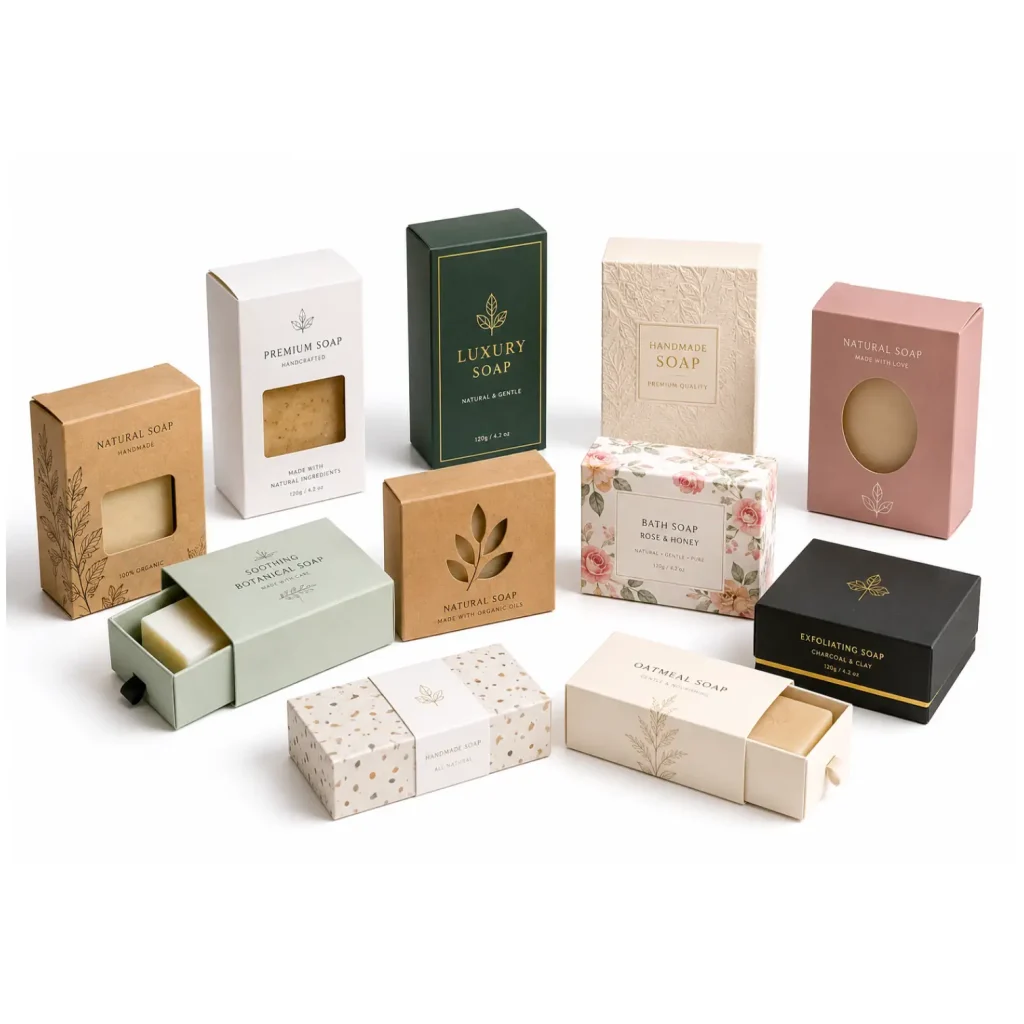
Picking a packaging partner shapes how your soap looks on a shelf and how it survives the trip there. Soap boxes wholesale buyers comparing suppliers this year are weighing price, material quality, and turnaround more carefully than ever, since margins in this space have gotten tighter. This guide breaks down ten companies worth knowing about, along with what actually separates a solid supplier from one that only sounds impressive on a sales call.
The Top 10 Soap Packaging Companies Worth Considering This Year
1. Soap Boxes Wholesale
Built specifically around soap and personal care packaging, this supplier focuses on Kraft, corrugated, and printed box options with wholesale pricing that scales as order volume grows. Low minimum order options make it accessible for newer brands testing a design before committing to a bulk run.
2. PakFactory
Operating with a strong presence across North America, PakFactory handles both smaller custom runs and larger production volumes, making it a fit for brands scaling from local sales into wider distribution.
3. Packlane
Packlane’s online design tool lets brands build packaging without needing graphic design experience, which appeals to smaller soap makers who want a professional look without hiring outside help.
4. The Custom Boxes
This supplier covers a broad range of cosmetic and soap packaging styles, giving brands flexibility if they’re producing soap alongside other skincare items under the same label.
5. Refine Packaging
Known for competitive pricing on soap, candle, and cosmetic packaging, Refine Packaging tends to suit brands prioritizing affordability without sacrificing basic customization options.
6. UPrinting
UPrinting leans into printed packaging and marketing materials broadly, which works well for brands that want their soap boxes to match other printed assets like inserts or promotional cards.
7. Arka
Arka specializes in sustainable packaging aimed at eCommerce and retail brands, a good match for soap companies building their identity around environmental responsibility.
8. WestRock
As one of the larger names in commercial packaging, WestRock serves brands that need retail compliance handled at scale, along with production capacity built for consistent, high-volume output.
9. Sealed Air
Sealed Air’s background spans protective packaging more broadly, which can appeal to soap brands shipping fragile or premium items that need extra care in transit.
10. Veritiv
Veritiv rounds out the list with strong supply chain infrastructure and sustainability certifications, often chosen by brands managing multiple product lines across a wider distribution network.
The 5 Most Trusted Names to Start Your Search With
Ten options can feel like a lot to compare at once, so here’s a shorter list narrowed down to the picks worth prioritizing first, based on reliability and the type of brand each one suits best.
| Company | Known For | Best Fit For |
| Soap Boxes Wholesale | Custom Kraft and wholesale soap boxes with low minimums | New and scaling soap brands |
| PakFactory | Production across smaller and larger volumes | Brands expanding into wider distribution |
| WestRock | Retail compliance handled at scale | National retail brands |
| Packlane | Easy-to-use online design tool | Small makers without an in-house designer |
| Veritiv | Supply chain infrastructure and certifications | Brands managing multiple product lines |
What Actually Separates a Strong Custom Soap Packaging Supplier
Picking from a list is only half the process. Custom soap packaging suppliers worth using tend to share a few traits regardless of size:
- Clear pricing without hidden plate charges
- A design proof provided before full production begins
- Turnaround windows they consistently hit, not just quote
- Straightforward answers about minimum order size and material sourcing
A supplier that dodges these basic questions is usually one to skip, no matter how polished their site looks.
Wholesale Soap Box Manufacturers and Where Pricing Actually Comes From
Wholesale soap box manufacturers bring per-unit costs down by spreading setup expenses across a larger run, which is why ordering 500 units often costs barely more than ordering 200. Material choice ends up mattering as much as the manufacturer you pick, since the wrong stock can undercut even a well-priced order.
Kraft Packaging as the Default Choice for Cost-Conscious Brands
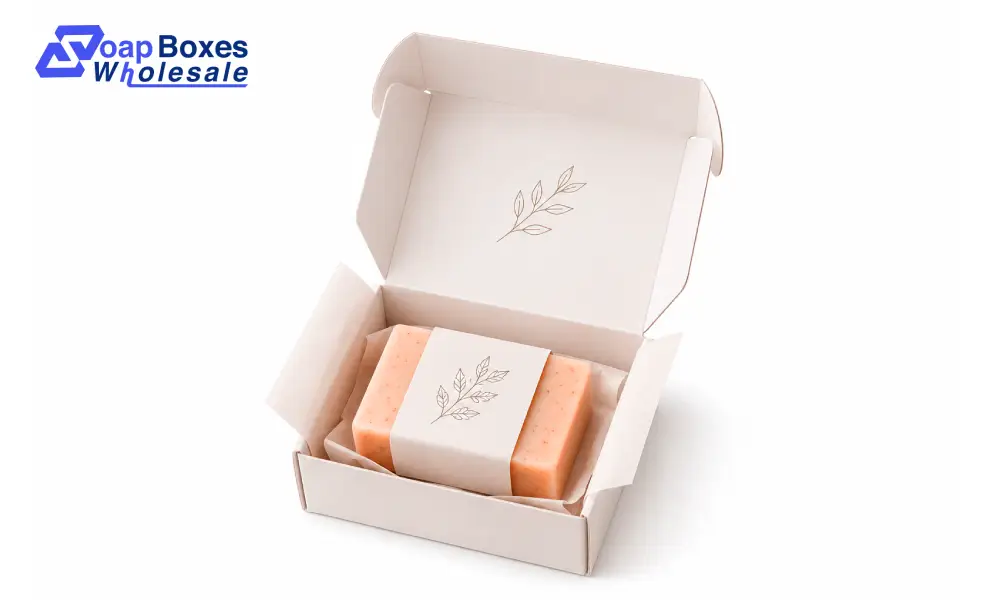
Kraft soap boxes remain the most requested option for brands trying to keep costs low while still landing on a natural, recyclable look that resonates with today’s buyers. The material holds print well without needing a glossy coating, which keeps production costs down without making the packaging look cheap.
Printing Options That Set Brands Apart on Shelf
Soap packaging and printing services now cover far more than a basic logo print.
Foil Stamping for a Metallic Accent
Foil stamping adds a metallic sheen to logos or text, giving a bar a premium feel that plain ink printing simply can’t match at the same price point.
Embossing for a Tactile Finish
Embossing raises part of the design off the surface, so customers notice the branding by touch as well as sight, which works especially well for minimalist packaging designs.
Spot UV for Selective Shine
Spot UV coating adds a glossy layer to specific parts of the design, like a logo or border, creating contrast against a matte background without covering the entire box in gloss.
Display-Ready Packaging for Retail Counters and End Caps
For brands selling through retail stores, display soap boxes built for counter placement or end-cap setups help a product get noticed without needing extra store fixtures. Retailers tend to favor suppliers who can pre-configure these displays, since it saves staff time during shelf resets.
Considerations for Handmade and Small-Batch Soap Brands
Smaller operations don’t always need the same setup as a national retail brand. Handmade soap boxes built for irregular, hand-cut bars need packaging flexible enough to fit variation from batch to batch, something mass-market manufacturers aren’t always equipped to handle well. Brands at this stage often benefit more from a supplier offering low minimums and design support than one built purely around high-volume efficiency.


