
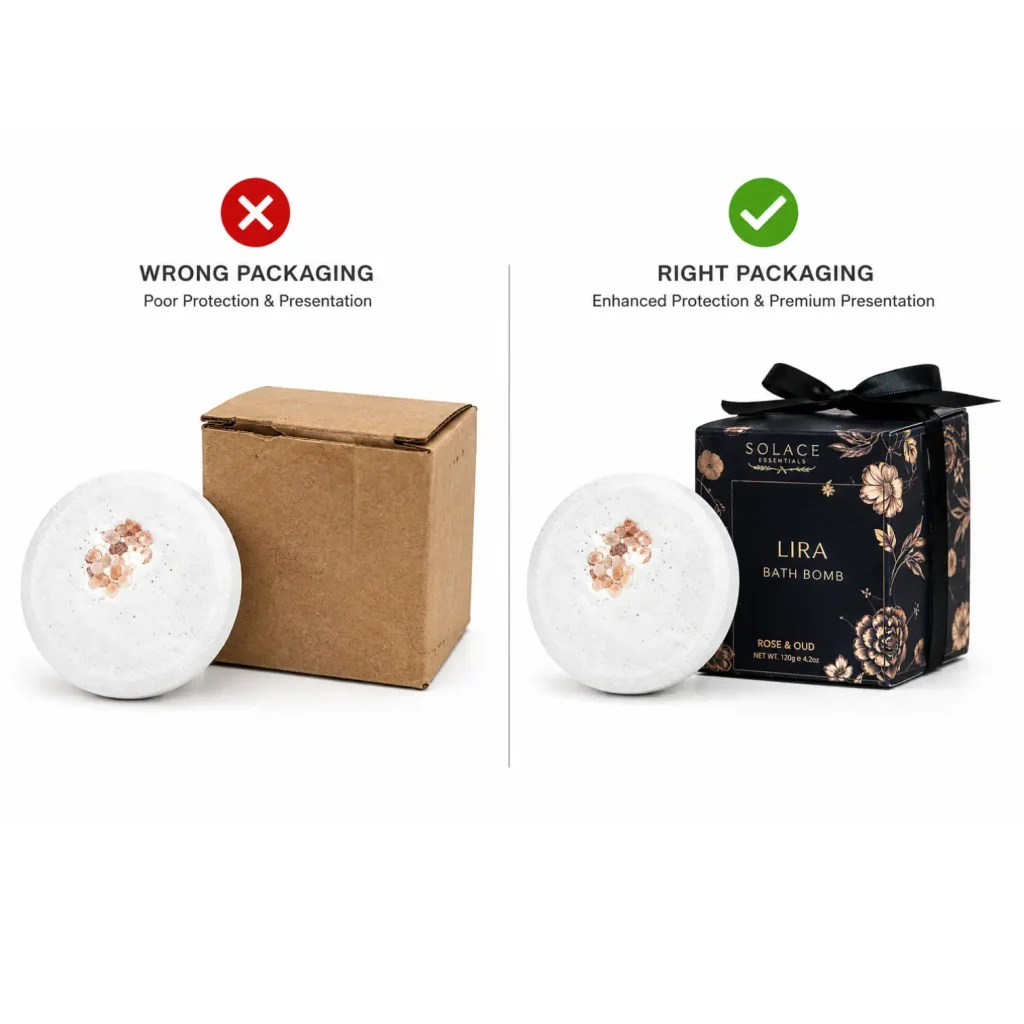
Four hundred dollars doesn’t sound like much until it’s sitting in a garage in boxes that were never used. That’s exactly what happened after ordering a batch of soap packaging that looked great on screen but fell apart the moment it touched a warm bar of soap. The boxes softened, the corners bent during stacking, and half the order had to be repackaged by hand before a single unit shipped. There was no way to sell what customers had already seen photos of online, which meant reprinting from scratch on a tighter budget and a tighter timeline. It wasn’t a design problem. It was the wrong kraft soap boxes material, chosen without understanding what the product actually needed. This kind of mistake is more common than most soap makers realize, and it almost always comes down to one decision made too early: picking a material based on looks instead of function. This soap box material guide walks through exactly what to check before that decision gets made.
The Real Cost of Choosing the Wrong Soap Box Material
A soap box isn’t just a container. It has to hold up against moisture from the soap itself, survive handling during shipping or shelf restocking, and still look good enough to sell. When the material doesn’t match those demands, the cost shows up in places that aren’t obvious at first.
Some of the clearest warning signs include:
- Boxes that feel flimsy or bend when picked up with one hand
- Panels that soften or warp after a few days near natural or handmade soap
- Print that cracks or peels because the surface wasn’t meant for that finish
- Boxes that need extra tape or reinforcement just to survive a short shipment
None of these problems show up during a quick sample check. They show up weeks later, after a full batch has already been printed and packed.
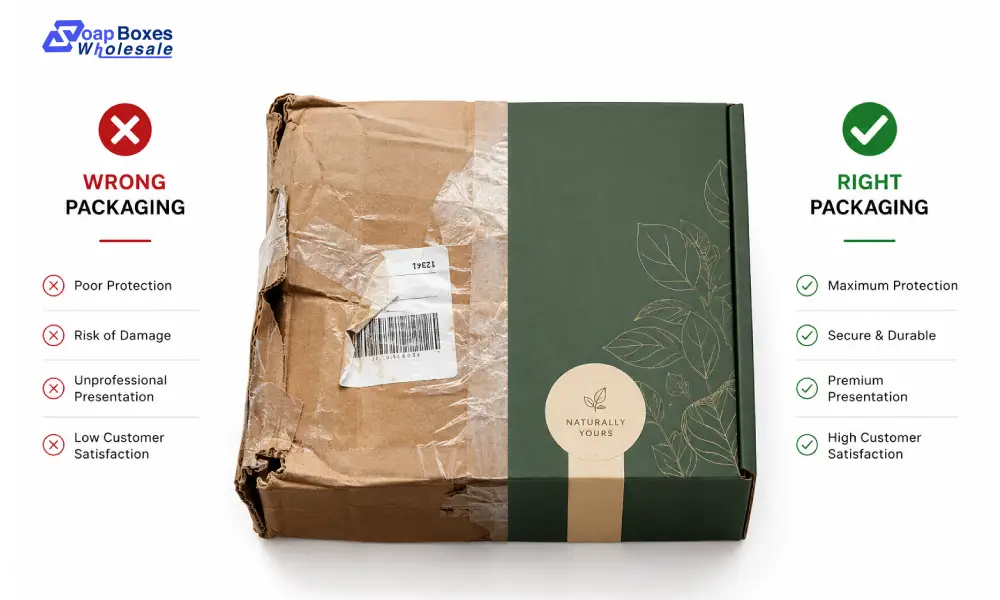
How to Choose Soap Packaging Material the Right Way
Knowing how to choose soap packaging material starts with asking what the box needs to survive, not what it needs to look like. A soap that’s shipped across the country needs a different answer than a soap sold at a single local shop. The right process usually looks like this:
Start With the Soap Itself
Oil-heavy, handmade bars behave differently than commercial, low-moisture bars, so the material needs to match how much moisture it will actually be exposed to over time.
Decide Where the Box Travels
A short shelf trip and a cross-country shipment put very different stress on the same material, and choosing for the wrong distance is where a lot of damage claims begin.
Check How the Box Will Be Handled
Boxes that get stacked in storage need more rigidity than ones displayed flat on a counter, since constant pressure from above can crush a material that wasn’t built for it.
Match the Finish to the Material
Some coatings and prints only hold up properly on certain paperboard types, so the finish needs to be chosen alongside the material rather than added on afterward.
Skipping any one of these steps is usually where the wrong choice sneaks in, especially when a material is picked simply because a sample looked appealing under store lighting.
Best Material for Soap Boxes Depending on Your Product
There isn’t one best material for soap boxes that works for every product. The right choice depends entirely on what the soap is made of and how it reaches the customer.
Cold-process, handmade soaps release more moisture and natural oils as they cure, so they need a board that resists absorbing that dampness over time. Commercial soap bars, being drier and more chemically stable, can often work with a lighter material without much risk. Products sold only in person, like at a farmers market or boutique shop, can get away with a simpler structure, while anything shipped needs a material strong enough to survive a courier’s handling process without extra padding.
This is also where luxury paperboard boxes tend to make sense, particularly for gift sets or premium soap lines where the unboxing experience matters as much as protection.
Kraft vs Cardboard vs Rigid vs Corrugated Soap Boxes
Comparing kraft vs cardboard vs rigid vs corrugated soap boxes is really a comparison of strength, cost, and finish, and each one solves a different problem.
Kraft Soap Boxes
Kraft material is lightweight, naturally textured, and works well for handmade or organic soap lines that want an earthy, minimal look. It holds up fine for local sales or gentle shipping, but it isn’t the strongest option for long shipments or heavy stacking.
Cardboard Soap Boxes
Standard cardboard is a middle-ground option. It’s more rigid than kraft and takes printed designs cleanly, making it a common choice for retail shelves where the box needs to look polished without a premium price tag.
Rigid Soap Boxes
Rigid boxes are thick, sturdy, and built for a premium unboxing experience. They’re a strong fit for gift soap sets or higher-end product lines, though the added strength comes with a higher material cost.
Corrugated Kraft Soap Boxes
For anything shipped directly to customers, corrugated kraft soap boxes are usually the safer choice. The layered structure adds real cushioning against drops and pressure during transit, which matters most for bars that release natural oils and can turn soft or crack on a long ride.
Soap Packaging Material Mistakes That Are Easy to Avoid
Most soap packaging material mistakes aren’t due to a lack of options. They happen because the decision gets made too quickly, without testing the material against real conditions first. A few of the most common ones include:
- Choosing a material based only on how a sample photograph looks online
- Ignoring how the soap’s oil content will interact with the box over time
- Ordering a full print run before testing even a small batch under real shipping conditions
- Assuming a material that works for one soap type will automatically work for another
Every one of these mistakes is avoidable with a short test run before committing to a large order, something that costs far less than reprinting hundreds of boxes later. A small batch, tested under the same conditions the final product will actually face, tells far more than any sample photo ever could.
A Simple Checklist Before Placing a Full Order
Before committing to any material in bulk, running through a short checklist can save both money and time:
✓ Order a small sample batch first, not just a color proof
✓ Let the sample sit near the actual soap for a few days to check for softening
✓ Test how the box holds up under light stacking, not just on a flat surface
✓ Confirm the finish and print quality on the exact material, not a similar one
✓ Only place the full order once the sample has passed all of the above
This step takes a little patience upfront, but it’s the difference between a smooth production run and a batch that ends up unusable.
Getting the Material Decision Right the First Time
Choosing the right material isn’t about finding the most expensive option or the most attractive one. It comes down to the soap itself, the shipping distance, and the way customers will actually handle the box once it arrives. A well-chosen handmade soap boxes material protects the product quietly, without ever becoming the reason a customer complains or a batch gets reprinted.
At Soap Boxes Wholesale, this kind of material matching is treated as the first decision in the packaging process, not an afterthought once the design is already finalized. Getting it right the first time doesn’t just save money. It saves the time, stress, and wasted stock that come with learning the hard way.
Final Thoughts
The right soap box material isn’t the one that looks best in a catalog. It’s the one built for how the soap behaves, the distance it has to travel, and how it still needs to look once it lands in a customer’s hands. Most sellers only learn this after a batch has already failed, which is usually the more expensive way to find out. A short test run before a full order is a small step that quietly prevents most of the costly mistakes soap sellers run into, and it costs far less than a reprint ever will. Taking that extra bit of time upfront isn’t overcautious. It’s simply the difference between a packaging order that works the first time and one that ends up sitting unused, the same way that $400 mistake did.


