
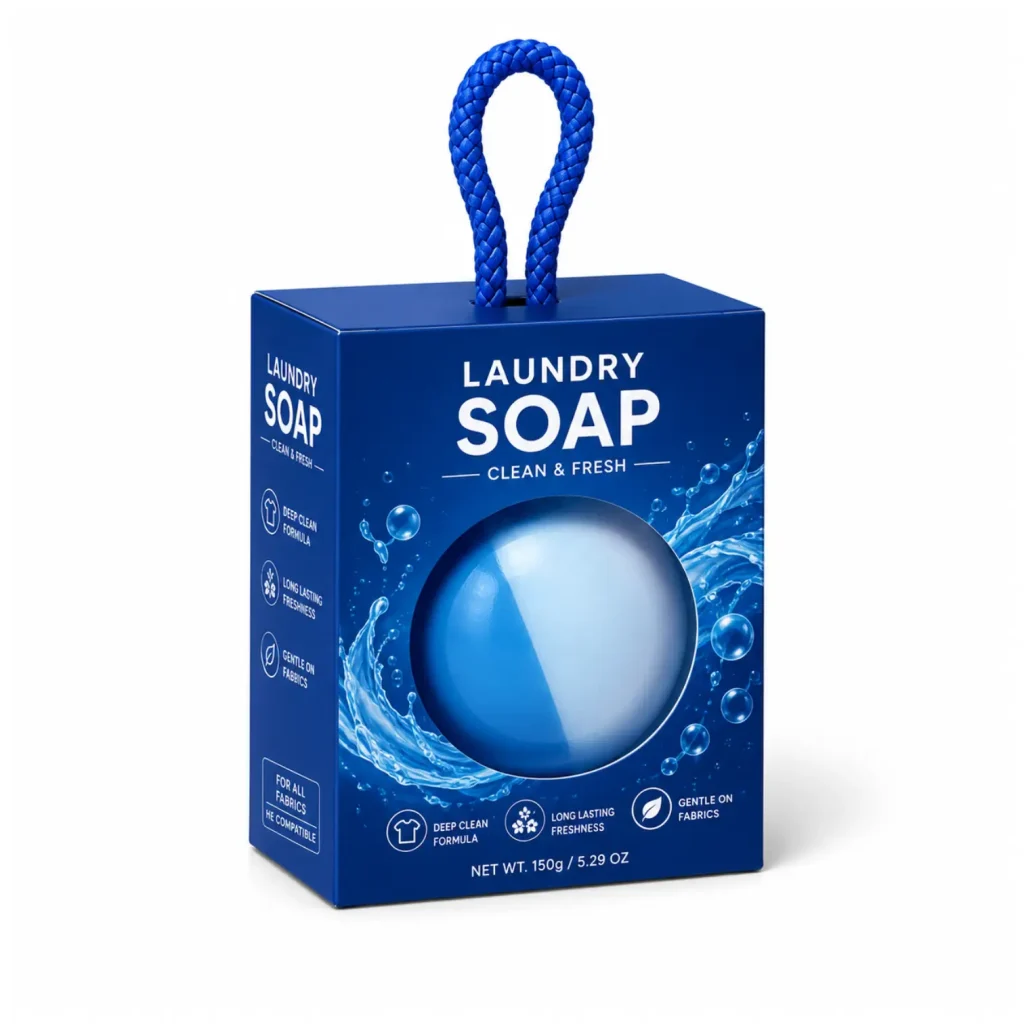
Making laundry soap at home sounds simple enough — grate a bar, mix in a little washing soda, and you’ve got a natural, budget-friendly alternative to store-bought detergent. But most people who try it eventually run into the same complaints: a wash that comes out stiff, a scent that fades within days, or a fine white residue clinging to dark clothes long after the cycle ends. These aren’t random bad luck. They’re the predictable result of mixing soap without the controls a commercial producer relies on, and they’re exactly why homemade laundry soap is bad at doing consistently what a properly packaged, professionally made product does without effort. For small-batch producers trying to avoid these same pitfalls at scale, the fix usually starts with something as simple as custom soap boxes built around how the product actually behaves once it leaves the workbench.
The Consistency Problem With Homemade Batches
Commercial soap makers test formulas repeatedly before a single bar reaches a shelf, checking that the same recipe performs identically no matter which batch it came from. A home kitchen doesn’t have that safeguard.
Inconsistent Dissolving in Bar Form
Grated soap dissolves unevenly depending on shaving thickness, and even a small shift in the ratio of soap to washing soda can change how well a batch performs from one wash to the next. This shows up clearly when comparing a homemade laundry soap bar to a store-bought one — the commercial version dissolves at a steady, predictable rate, while a home batch can vary noticeably even within the same container.
Clumping and Residue in Powder Form
The same unpredictability carries over to laundry soap powder. Uneven mixing at home tends to leave small clumps that never fully dissolve during a wash cycle, and those clumps are usually what end up as chalky residue on dark fabric. It’s not that the ingredients are wrong — it’s that nothing at home confirms they were measured and blended the same way twice.
Why Scent Fades So Quickly at Home
Fragrance is one of the first things people notice slipping in a homemade batch. Most DIY recipes rely on essential oils without any stabilizer to slow their evaporation, so a laundry soap that smells good on day one can smell like almost nothing by the end of the month.
A few reasons scent fades faster in homemade batches:
- No fragrance-locking compounds to slow how quickly essential oils evaporate
- Storage in open containers rather than sealed, light-blocking packaging
- Natural oils breaking down faster than synthetic fragrance blends
- No consistent testing to confirm how long a scent actually lasts
Commercial formulas solve this with fragrance-locking compounds and controlled storage conditions that keep scent consistent from the first use to the last — something no amount of extra essential oil added at home can fully replicate.
Dealing With Residue Once It’s Already There
If a batch has already left buildup on clothing, there’s a simple fix before reaching for anything else. The best way to remove excess laundry soap from clothes is usually an extra rinse cycle using hot water and no additional detergent, which helps loosen residue a single wash cycle couldn’t fully clear. This works for most fabric types, though it’s worth checking care labels first on anything delicate. It’s a useful fix after the fact, but it doesn’t solve the underlying issue — which usually isn’t the recipe at all, but how the finished soap is stored before it’s ever used.
How Professional Packaging Protects Soap Quality
A soap formula that’s genuinely well made can still lose quality fast if the packaging around it isn’t doing its job.
Moisture, Light, and Air Exposure
These three factors affect how long a bar or powder stays consistent, which is exactly why commercial producers treat packaging as part of the formula rather than an afterthought bolted on at the end.
Board Built for Bar Protection
A Kraft Soap Box made from moisture-resistant board keeps ambient humidity from softening a bar before it’s ever used, while a sealed inner liner protects powder from clumping during storage or transit.
Choosing the Right Material
Since a bar and a powder product behave so differently, choosing the right option usually starts with comparing Soap Boxes by Material side by side rather than assuming one packaging type suits every format.
Matching Packaging to How the Product Actually Behaves
Bar and powder soap fail in different ways when the packaging doesn’t match how they actually behave in storage. A bar left in loose, breathable wrapping tends to soften or crack depending on ambient humidity, which is where properly sized soap bar boxes make a real difference by managing airflow around the product instead of sealing it completely. Powder needs the opposite approach — a barrier tight enough to stop moisture from turning it solid before it ever reaches a washing machine. Getting this distinction right at a production level is one of the clearest advantages custom-built packaging offers over generic containers pulled from a catalogue.
Packaging as Part of Shelf Life, Not Just Presentation
Retailers and online sellers don’t always think of packaging as a shelf-life decision, but it’s frequently the biggest single factor separating a bar that stays fresh for months from one that softens or fades within weeks.
- Board weight and coating, which determine how much humidity the packaging can resist before it fails
- Closure type, since a loose-fitting lid lets in far more air than a properly sealed tuck-end or lock-bottom style
How the product is stored during transit matters too, though good packaging can only compensate for that up to a certain point. Getting these details right at the design stage does more for consistency than almost any adjustment to the soap formula itself.
Where Small-Batch and Artisan Soap Makers Actually Lose Quality
None of this means handmade soap is inherently worse than a mass-produced bar — the real issue is almost always storage and packaging, not the recipe. Small-batch and artisan producers who invest in proper Handmade Soap Boxes solve most of the shelf-life and consistency problems typically blamed on DIY-style soap, simply by controlling moisture and light exposure the same way larger manufacturers already do. The soap itself can stay as simple and natural as ever; it’s the box around it that decides whether that quality survives the trip from workbench to washing machine.
Closing the Gap Between a Home Batch and a Commercial One
Homemade laundry soap isn’t a lost cause, but it comes with a learning curve most people underestimate until they’ve already dealt with stiff towels or a batch that faded faster than expected. The formula matters, but what the soap sits in while it waits to be used closes most of the remaining gap — and for anyone selling soap rather than just making it for their own household, that packaging decision often ends up mattering more than any single ingredient choice.
Final Thoughts
Whether the goal is fixing a stiff, faded homemade batch or scaling a small soap business into a retail-ready brand, the pattern is the same: consistency comes from control, and packaging is one of the easiest places to gain that control without touching the recipe at all. Getting the board, seal, and closure right does more for a product’s shelf life than most people expect — and it’s usually the difference between a soap that holds up on a shelf for months and one that starts fading within weeks.


