
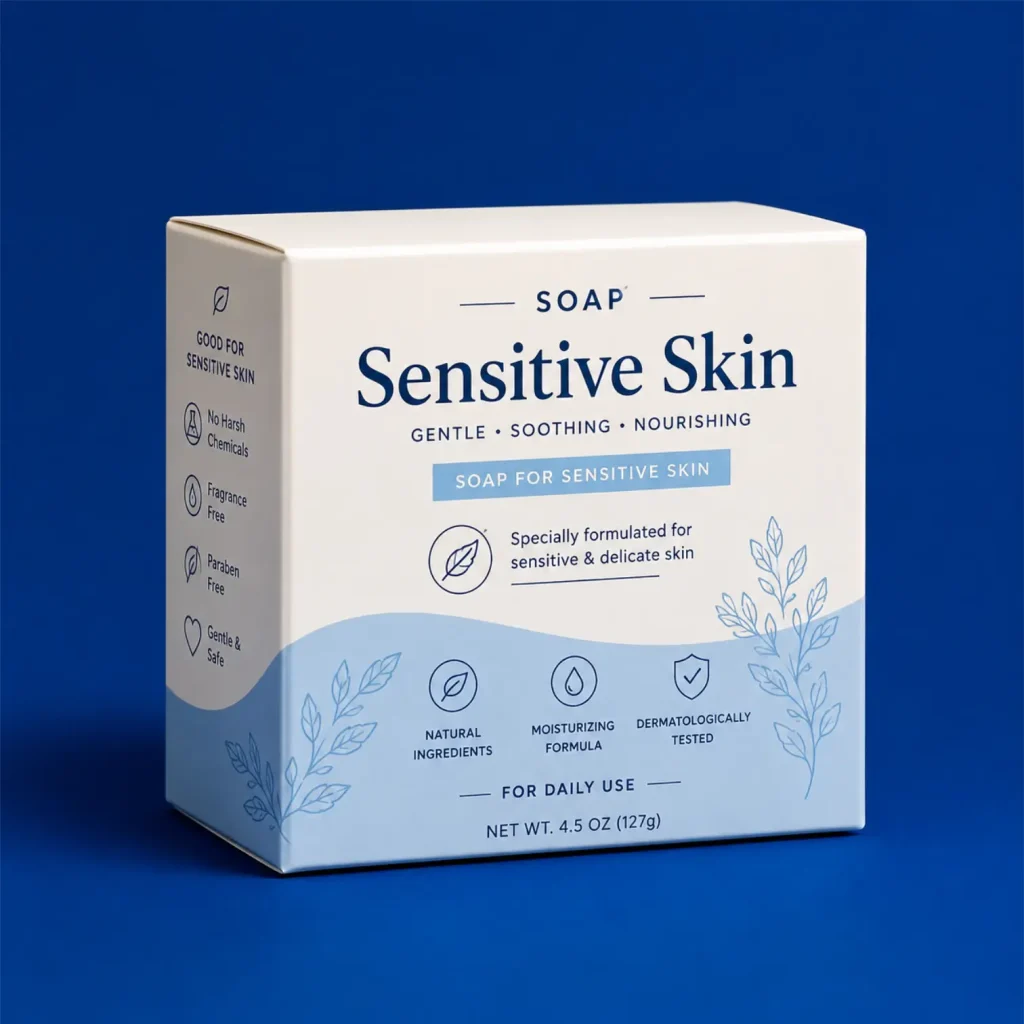
For people with sensitive skin, choosing a soap is never a casual decision. They read labels twice, check ingredient lists for irritants, and often stick with a brand only after it proves it won’t cause redness, dryness, or breakouts. This is exactly why soap that is good for sensitive skin needs packaging that matches the same level of care that went into the formula itself.
Packaging is not just a box that holds the product; it is often the first signal a customer uses to judge whether a brand can be trusted, which is why more sensitive-skin brands are turning to Luxury Soap Packaging to make that first impression count. When the packaging looks flimsy, generic, or careless, it can quietly undercut the credibility of an otherwise excellent soap. Premium packaging, on the other hand, communicates protection, transparency, and attention to detail before the customer even opens the box. For sensitive-skin brands competing in a crowded U.S. market, that first impression can be the difference between a one-time buyer and a loyal customer.
The Qualities That Define a True Sensitive-Skin Soap
Sensitive-skin consumers tend to look for a fairly specific set of qualities before they trust a soap bar or liquid formula. This isn’t a casual checklist; it usually comes from past experience with breakouts, dryness, or reactions caused by the wrong product, which makes these buyers far more careful readers of both formulas and labels than the average shopper. The three qualities below tend to matter most.
Gentle, Fragrance-Free Formulations
Fragrance-free formulations are usually at the top of the list, since added scents are one of the most common triggers for irritation. Mild, non-stripping cleansing agents matter just as much, because harsh surfactants can leave skin feeling tight or reactive. Many shoppers also actively avoid ingredients like sulfates, synthetic dyes, or heavy alcohols, favoring soaps built around ingredients that support comfort rather than aggressive cleansing.
Honest, Clearly Listed Ingredients
Clear ingredient information plays a major role here too. A brand that lists exactly what is inside the formula, without vague marketing language, earns more trust than one that hides behind buzzwords.
Understanding “Fragrance-Free” vs. “Unscented”
This is also where the difference between “fragrance-free” and “unscented” becomes important: fragrance-free means no fragrance ingredients were added at all, while unscented products may still contain masking agents to neutralize odor from other ingredients. Consumers searching for the gentlest soap for sensitive skin are usually looking for brands that understand and explain this distinction clearly rather than glossing over it.
Basic Boxes Fall Short for a Product Built on Trust
A soap formulated for reactive or easily irritated skin is often positioned as a premium, trust-first product, which means basic or generic packaging can work against it. Basic packaging is typically built for cost efficiency, not for protecting delicate formulations or building consumer confidence. For sensitive-skin soap specifically, packaging needs to do several jobs at once: keep the product physically protected during shipping and storage, communicate the right information clearly, and reinforce the sense that the brand takes quality seriously.
Consumer trust is easily lost with packaging that feels cheap, cluttered, or inconsistent with the product inside. Professional presentation and strong shelf appeal matter even for skincare-adjacent products sold online, since customers often judge unboxing photos and product listings before ever touching the item. Premium positioning does not require excess; it requires packaging that feels clean, calm, and trustworthy rather than flashy or overdesigned. That restraint itself becomes part of the message for a sensitive-skin audience.
Basic Packaging vs. Premium Packaging: A Quick Comparison
The difference between the two approaches becomes clearer when placed side by side:
| Factor | Basic Packaging | Premium Packaging |
| Product Protection | Minimal, prone to damage in transit | Sturdy materials built to protect delicate formulas |
| Ingredient Communication | Cramped or hard-to-read labeling | Clear, legible layout that builds trust |
| Shelf Appeal | Generic, easily overlooked | Distinctive design that stands out |
| Brand Perception | Feels low-cost or careless | Signals quality, care, and consistency |
| Unboxing Experience | Plain, forgettable | Memorable, share-worthy presentation |
| Material Choice | Often thin or non-recyclable | Durable, sustainable options like Kraft Soap Boxes |
Packaging as a Silent Communicator of Product Information
Packaging can carry a surprising amount of practical information, and how that information is presented affects how much a customer trusts it. Clear, legible ingredient lists reduce hesitation at the point of purchase. Relevant product claims, when they are accurate and not exaggerated, help customers quickly understand what the soap does and does not do. Easy-to-read typography matters more than it seems; dense or overly stylized fonts can make even honest information feel harder to trust.
Consistent visual branding across the box, label, and any inserts reinforces that the company is organized and professional. Certifications or seals should only appear when they are genuinely earned and applicable, since misused certifications can damage credibility instead of building it. It’s worth noting that packaging should never carry unsupported medical or skin-health claims; the role of packaging is to present accurate, helpful information clearly, not to make promises the formula alone should justify.

Design Choices That Visually Reflect Gentleness
The physical design choices on a package can visually reinforce the idea of gentleness before a customer reads a single word. Minimal, uncluttered layouts tend to feel calmer than busy designs packed with graphics and text. Soft or natural color palettes, think muted greens, warm creams, or gentle pastels, tend to align well with how sensitive-skin products are marketed. Readable typography keeps the front panel approachable rather than overwhelming.
Beyond color and layout, finishing choices add a tactile dimension that reinforces the same calm, trustworthy feel:
- Matte finishes – generally read as more sophisticated and calming than glossy ones
- Subtle embossing – highlights a logo or product name without shouting for attention
- Light foil accents – add a touch of elegance when used sparingly
- Die-cut elements – create windows or shaped openings that let customers see the product, adding transparency to the unboxing experience
- Tactile paper or cardstock – the way a box feels in someone’s hands contributes to the overall impression of quality
Material Choices That Protect a Delicate Formula
The box material a brand chooses says almost as much about the product as the formula itself. For sensitive-skin soap in particular, the packaging has to do double duty: it needs to physically shield a delicate bar or bottle from crushing, moisture, and rough handling during shipping, while also visually reinforcing the same sense of purity and care that the formulation promises. Getting this right comes down to two main considerations.
Sturdy Protection
Material choice affects both product protection and brand perception. Durable paperboard keeps soap bars or bottles safe from crushing or damage during transit, which matters for online orders shipped across the country. At Soap Boxes Wholesale, this is a common conversation with sensitive-skin soap brands: Kraft Soap Boxes have become especially popular among sensitive-skin and natural soap brands because the material visually signals simplicity and an unprocessed, honest quality, while still being sturdy enough for retail and shipping use.
Sustainable Sourcing
Recyclable materials are increasingly expected by U.S. consumers, particularly those who already pay close attention to what goes on and into their skin; sustainability concerns often go hand in hand with ingredient-conscious shopping habits. Moisture resistance is another practical factor, since soap can be sensitive to humidity during storage or shipping. Packaging also needs to hold up to real-world handling on retail shelves, not just look good in a product photo, so durability and sustainability need to be balanced rather than treated as competing priorities.
Features That Deliver More Than Just Good Looks
Certain packaging features offer a direct, practical benefit rather than just decoration. Die Cut Soap Boxes are a good example: they allow for distinctive shapes or cutouts that make a product stand out on a shelf or in a product photo, offering stronger differentiation than a plain rectangular box.
Beyond die-cutting, a few other features consistently add real value:
- Custom dimensions – fit the product precisely, reducing shifting during shipping and giving a tighter, more premium unboxing feel
- Embossing – adds a tactile, premium feel customers notice before even reading the label
- Subtle foiling – highlights a logo or product name with an elegant visual accent
- Matte finishes – contribute a sophisticated, understated appearance that suits sensitive-skin branding well
- Protective inserts – keep the product secure and presented neatly inside the box
- Custom printing – reinforces brand recognition every time the package is seen, whether on a shelf or in a customer’s bathroom
The Perceived Value Packaging Adds to the Product
Packaging directly shapes how customers perceive the value of what’s inside, even when the formula itself hasn’t changed. A well-designed box creates a stronger shelf presence and a more memorable first impression, which supports better brand recognition over time. Products with attractive, well-built packaging are also naturally more giftable, opening up a wider range of purchase occasions beyond routine restocking.
Thoughtful packaging supports a premium pricing perception and aligns the product with the growing self-care and wellness positioning that many skincare buyers respond to. That said, it’s worth being clear about one important distinction: premium packaging does not make the soap itself safer or gentler; the formulation determines that. Packaging’s job is to communicate and protect, not to substitute for what’s actually in the bar.
Finding the Middle Ground Between Luxury and Simplicity
When done right, Luxury Soap Packaging does not need heavy decoration or ornate detailing to feel premium. In fact, for a sensitive-skin audience, restraint often reads as more trustworthy than excess. Minimal design paired with genuinely high-quality materials tends to communicate confidence rather than trying too hard to impress.
Subtle finishing touches, such as light embossing or a single foil accent, can elevate a package without overwhelming it. Clear product information should never be sacrificed for aesthetics; a calm visual identity and honest claims matter more to this audience than elaborate graphics. Sustainable packaging choices round out this balance well, since many sensitive-skin shoppers already value ingredient transparency and are receptive to brands that extend that same care to their packaging decisions.
Essential Label Information for U.S. Soap Brands
Beyond design, functional labeling is essential for any soap sold in the United States. At minimum, packaging should clearly display the product name, net weight, and a full ingredient list. Brand name and logo placement should be easy to find, along with any accurate, relevant product claims the brand can stand behind.
Usage information should be included where it genuinely helps the customer, along with brand or contact information for support and inquiries. A barcode should be present where applicable for retail or wholesale distribution, and recycling or disposal information should be included if the packaging materials call for it. Brands should always confirm that labeling meets the accurate regulatory requirements for their specific product category, since requirements can vary depending on formulation and distribution channel.
Final Thoughts
Sensitive-skin soap earns trust primarily through its formulation, ingredient honesty, and consistent performance on delicate skin. Premium packaging doesn’t replace that trust, but it does communicate the same level of care before the customer ever opens the bar. For brands serious about standing out in the U.S. sensitive-skin market, packaging deserves the same thoughtful attention as the product itself.


