
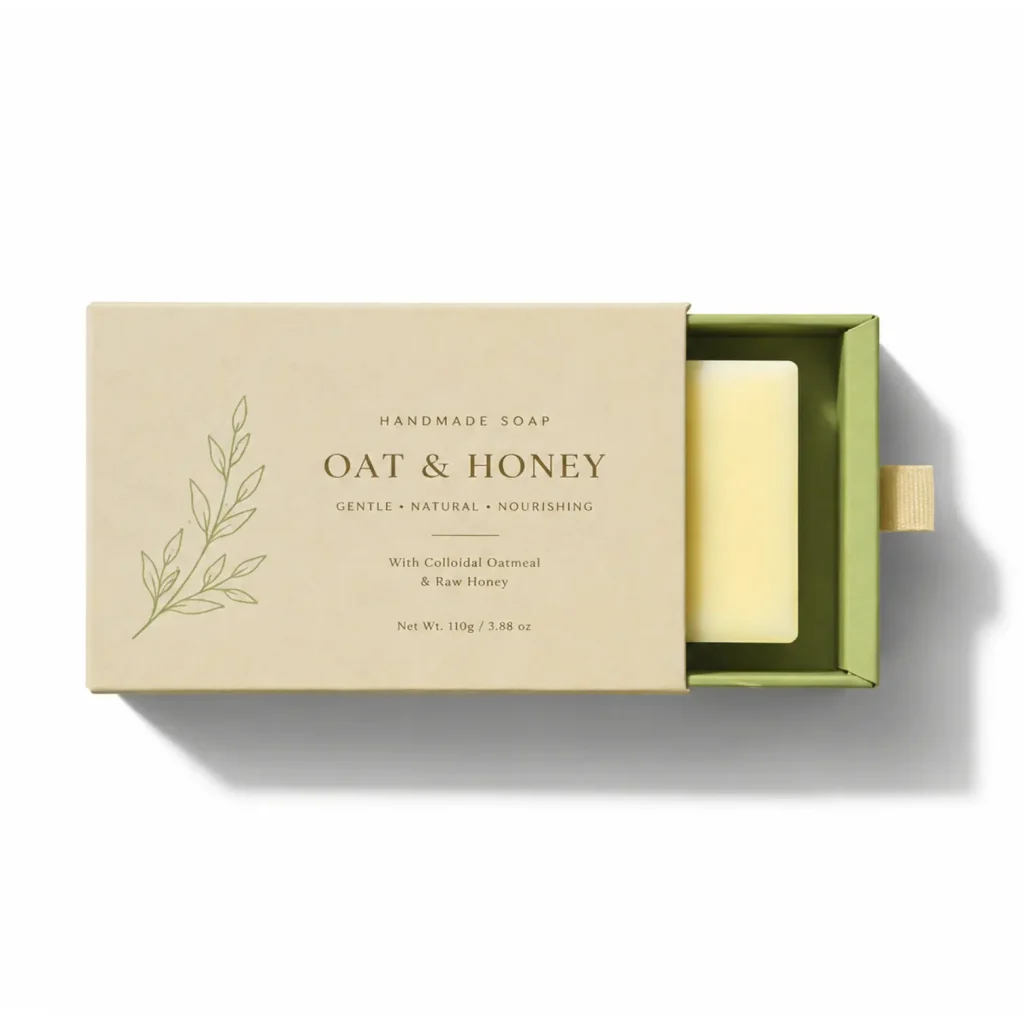
How Perception Transforms Budget Handmade Soaps Into Premium Products
In the U.S. handmade market, customers don’t just evaluate a soap by its ingredients—they respond to how it makes them feel at first glance. A product that looks polished, clean, and thoughtfully presented instantly creates trust and justifies a higher price. On the other hand, even a high-quality soap can struggle to sell if it appears basic or inconsistent.
What many beginners don’t realize is that creating a premium look doesn’t require a premium budget. The difference between an average product and a professional one often comes down to small, intentional decisions. Brands that understand this are able to position themselves alongside high-end competitors without dramatically increasing their costs. This is exactly where smart packaging solutions, such as those offered by Soap Boxes Wholesale, start to make a visible impact.
From Homemade to High-End: Understanding What “Expensive” Really Looks Like
1. Simplicity Defines a Premium Look
An expensive-looking product doesn’t rely on heavy decoration or complex design. In the U.S. market, simplicity itself has become a sign of confidence. When a soap is presented with clean layouts, soft color tones, and balanced spacing, it naturally feels more refined and high-end compared to designs that try too hard to stand out.
2. Clarity Builds a Sense of Luxury
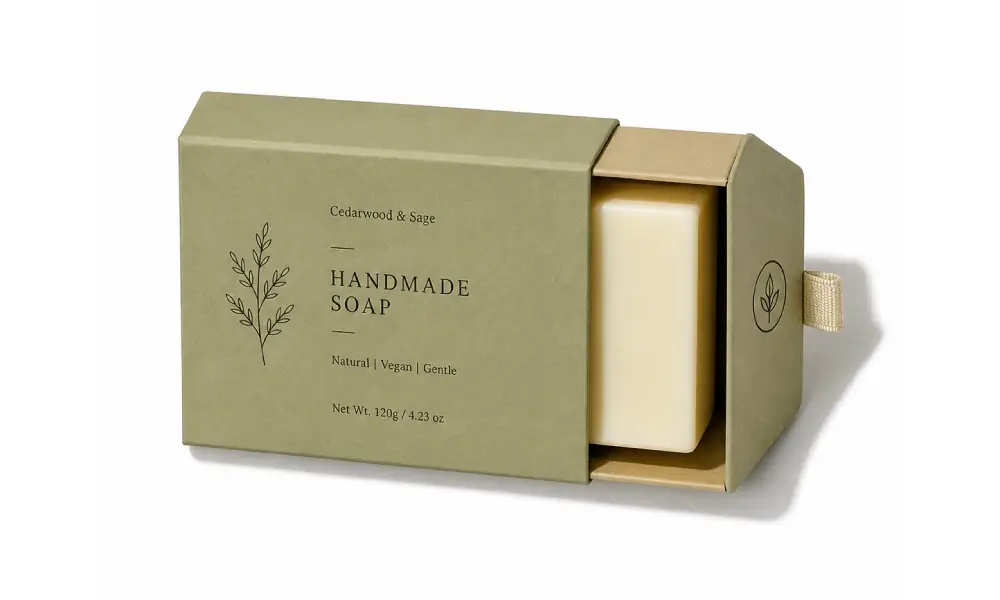
Luxury is often recognized through clarity rather than excess. A neatly wrapped soap, paired with a thoughtfully designed label and consistent presentation—especially when following best practices for How to Label Homemade Soapf—creates a strong impression of care and professionalism. These visual signals quietly tell the customer that the product is reliable and worth their attention.
3. Presentation Influences Buying Decisions
In online spaces where customers cannot touch or smell the product, appearance becomes everything. The way a soap is visually presented directly shapes how people perceive its value, making professional presentation a key factor in driving purchase decisions.
Designing a Visual Identity That Feels Like a Real Brand
One of the biggest shifts from beginner to professional is consistency. A single well-designed soap may look appealing, but a collection that follows a unified style builds brand recognition. When every product shares the same visual language—whether through color tones, typography, or layout—it creates a sense of reliability, especially when supported by consistent packaging like Handmade Soap Boxes or Custom Printed Handmade Soap Boxes.
This doesn’t mean everything has to look identical. Instead, there should be a clear connection between your products, allowing customers to instantly recognize your brand. In the U.S. market, where customers are exposed to countless options daily, this kind of visual consistency often becomes the deciding factor.
The Role of Packaging in Elevating Perceived Value
◆ Where Value Becomes Visible
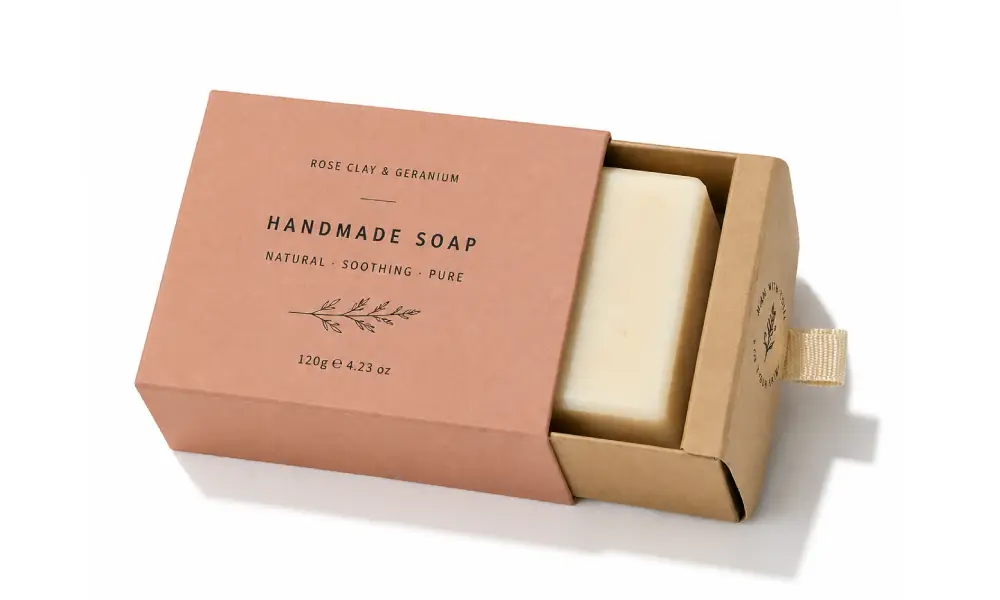
Packaging is the point where even a simple soap begins to feel premium. When a product is presented in a structured, well-designed box or wrap, its perceived value naturally increases—regardless of its actual cost, especially when using Kraft Handmade Soap Packaging.
◆ Design Matters More Than Material Cost
The focus is not on using expensive materials, but on using them intelligently. Kraft textures, smooth finishes, and subtle printing techniques, when combined thoughtfully, can create a high-end impression without increasing production costs.
◆ Smart Choices, Strong Branding
Many growing brands choose cost-effective packaging solutions, such as those offered by Soap Boxes Wholesale, or tailored options like Soap Boxes for Small Business, to achieve the perfect balance between affordability and professional presentation.
◆ Purpose Over Complexity
Real luxury is not about over-design. When packaging feels intentional—where every element has a clear purpose—customers naturally trust the product, whether it’s standard items or niche options like Handmade Dog Soap Boxes.
Why Small Details Make the Biggest Difference
As brands grow, they begin to realize that customers notice everything. Slight misalignments, inconsistent spacing, or rough finishing can quietly reduce the perceived value of a product. On the other hand, precise cuts, aligned labels, and clean wrapping—especially in Handmade Soap Gift Boxes—create a sense of care that customers subconsciously associate with higher quality.
These details don’t require a large investment, but they do require attention. This is often the stage where a product transitions from looking handmade in a casual sense to looking handcrafted in a premium sense—a distinction that matters greatly in the U.S. market.
Creating a Product That Feels Worth Sharing
Modern buying behavior is heavily influenced by visuals, especially on platforms where customers discover new products. A soap that looks refined and aesthetically balanced is more likely to be photographed, shared, and remembered.
This doesn’t require professional photography equipment. Natural lighting, neutral backgrounds, and a consistent visual theme can transform how a product is perceived online. When a product looks good in a simple photo, it naturally feels more valuable to the viewer.
Bridging the Gap Between Budget and Brand Value
The idea that higher cost equals higher quality is no longer always true. Today, smart branding decisions allow small businesses to compete with established names. By focusing on clarity, consistency, and presentation, it becomes possible to create a brand that feels premium without significantly increasing production costs.
This is the space where thoughtful suppliers support growing brands, offering packaging solutions that align with both budget limitations and professional expectations.
Brand Positioning: Turning a Product Into a Recognizable Identity
A professional look is not just about individual products—it’s about how those products exist within a brand system. Positioning defines how customers remember and describe your product.
When your soap consistently reflects a clear identity—whether it’s eco-friendly, luxury, or artisan—it becomes easier for customers to trust and choose your brand. This shift from product-based thinking to brand-based thinking is what separates beginners from growing businesses in the U.S. market.
Scaling Smart: Maintaining Quality as Your Business Grows
One of the biggest challenges for small brands is maintaining a premium look while increasing production. What works for 10 products may not work for 500.
Standardizing packaging, refining processes, and working with reliable suppliers ensures that every product, regardless of quantity, delivers the same professional experience.
Conclusion: Professional Is a Strategy, Not a Budget
Making handmade soap look expensive is ultimately about understanding perception. Customers respond to how a product is presented, how consistent it feels, and how clearly it communicates its value. When these elements come together, even a simple product can stand confidently among premium competitors.
For U.S. sellers aiming to grow, the path forward is not about spending more—it’s about refining the details that matter most. With the right approach, a small brand can evolve into a professional presence that attracts attention, builds trust, and drives consistent sales.


